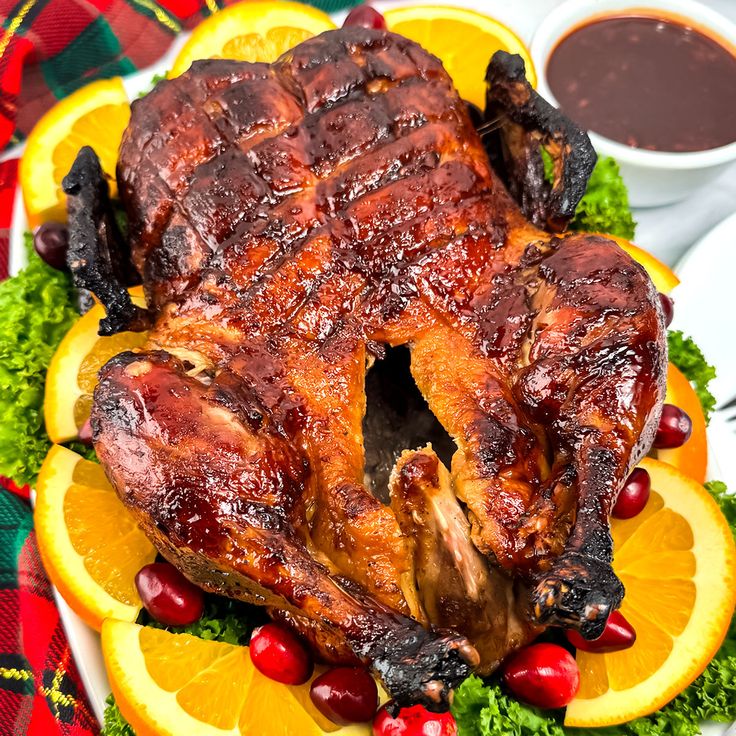

Introduction
Imagine a dish that’s both incredibly impressive and surprisingly simple to make. That’s exactly what our Roast Duck recipe brings to your kitchen! This isn’t just any poultry; it’s a culinary masterpiece with crispy, golden skin and unbelievably tender, juicy meat. The rich, savory flavor of roasted duck is truly special, making it perfect for celebrations or simply elevating a weekend dinner.
You might think roasting a whole duck is a big project, but let me tell you, it’s mostly hands-off time in the oven. With just a few key steps and simple ingredients, you’ll achieve restaurant-quality results right at home. The magic happens slowly, as the duck fat renders and crisps the skin, infusing the meat with incredible flavor. It’s a process that rewards patience, not complicated techniques.
So, get ready to impress yourself and your loved ones! This recipe will guide you to a perfectly roasted duck that will fill your home with wonderful aromas and your table with a show-stopping centerpiece. Don’t be shy; give this delicious Roast Duck a try. You’ll be so glad you did!
Cooking Time & Prep Time
- Prep Time: 25 minutes
- Cooking Time: 150 minutes (2 hours 30 minutes)
- Total Time: 175 minutes (2 hours 55 minutes)
Small tip: Prepping your duck the night before by patting it very dry and leaving it uncovered in the fridge can help achieve extra crispy skin!
Ingredients
This recipe makes 4-6 servings.
For the Duck
- 1 whole duck (4-5 lbs / 1.8-2.2 kg), thawed if frozen
- 2 teaspoons sea salt
- 1 teaspoon freshly ground black pepper
- 1 medium yellow onion, quartered
- 1 orange, quartered
- 4 cloves garlic, smashed
- 4 sprigs fresh rosemary or thyme (or a mix)
For the Honey-Soy Glaze
- 1/4 cup honey
- 1/4 cup soy sauce (or tamari for gluten-free)
- 2 tablespoons rice vinegar
- 1 tablespoon freshly grated ginger
- 2 cloves garlic, minced
Optional Garnish
- Fresh parsley or cilantro, chopped
- Orange slices or wedges
Step-by-Step Instructions
-
Step 1: Prepare the Duck
Preheat your oven to 400°F (200°C). Remove the duck from its packaging. Take out the neck and giblets from the cavity; you can save these for gravy or discard them. Pat the duck thoroughly dry inside and out with paper towels. This is crucial for crispy skin!
Small tip: Use a sharp knife to score the duck skin in a crosshatch pattern over the breast and thighs, being careful not to cut into the meat. This helps the fat render more efficiently.
-
Step 2: Season and Stuff
Rub the duck all over with salt and pepper, making sure to get into the scored areas. Place the quartered onion, orange, smashed garlic, and fresh herbs into the duck cavity. This adds wonderful aroma and flavor to the duck as it cooks.
Small tip: Don’t overstuff the duck. A little room allows for better airflow and even cooking.
-
Step 3: Initial Roast
Place the duck, breast-side up, on a wire rack set inside a large roasting pan. Roast for 30 minutes at 400°F (200°C). This initial high heat helps crisp up the skin.
Small tip: The wire rack is essential! It lifts the duck out of the rendering fat, ensuring the skin gets crispy all around.
-
Step 4: Reduce Heat and Continue Roasting
After 30 minutes, reduce the oven temperature to 325°F (160°C). Continue roasting for another 60 minutes. During this time, the duck fat will begin to accumulate in the roasting pan. Carefully remove the pan from the oven and drain off the rendered fat. You can save this fat for roasting potatoes later – it’s incredibly flavorful!
Small tip: Duck fat is liquid gold! Strain it into a jar and store it in the fridge for future use. It’s amazing for crispy roasted vegetables.
-
Step 5: Flip and Roast Again
Carefully flip the duck over so it’s breast-side down. Return it to the oven and roast for another 30 minutes. This helps the breast meat cook evenly and stay moist.
Small tip: Use sturdy tongs or oven mitts to carefully flip the hot duck.
-
Step 6: Prepare the Glaze
While the duck is roasting, prepare your honey-soy glaze. In a small bowl, whisk together the honey, soy sauce, rice vinegar, grated ginger, and minced garlic until well combined.
Small tip: You can make this glaze a few hours ahead of time and store it in the fridge. Bring it to room temperature before using.
-
Step 7: Glaze and Finish Roasting
After the duck has roasted breast-side down, carefully flip it back to breast-side up. Drain any accumulated fat again. Brush a generous amount of the honey-soy glaze over the duck. Return the duck to the oven and roast for a final 30 minutes, brushing with more glaze every 10 minutes. The internal temperature of the duck should reach 165°F (74°C) in the thickest part of the thigh, without touching the bone.
Small tip: Glazing in the last 30-45 minutes prevents the honey and soy from burning too quickly.
-
Step 8: Rest and Serve
Once cooked, remove the duck from the oven and transfer it to a cutting board. Tent it loosely with foil and let it rest for at least 15-20 minutes. This resting period is crucial for the juices to redistribute, ensuring a tender and moist duck.
Small tip: Resting is perhaps the most important step for juicy meat. Don’t skip it!
-
Step 9: Carve and Garnish
Carve the duck into portions, separating the legs and thighs, then slicing the breast meat. Arrange on a platter and garnish with fresh chopped parsley or cilantro and orange slices, if desired. Serve immediately and enjoy your beautiful roast duck!
Small tip: A sharp carving knife and fork will make carving much easier and safer.
Tips & Variations
- Gluten-Free Option: Easily make this recipe gluten-free by swapping regular soy sauce for an equal amount of tamari in the glaze.
- Vegetarian or Vegan Option: While roast duck is inherently meat-based, you can adapt the flavors! Try roasting whole portobello mushrooms, root vegetables (like carrots, parsnips, and potatoes), or even a plant-based “mock duck” product with the same honey-soy glaze.
- Add More Vegetables: For a complete meal, add chopped root vegetables (carrots, potatoes, parsnips) to the roasting pan during the last hour of cooking. They’ll cook in the delicious rendered duck fat!
- Spicy Version: If you love a kick, add 1/2 to 1 teaspoon of sriracha or red chili flakes to the honey-soy glaze. Adjust to your preferred level of heat.
- Aromatic Twist: For a more complex flavor profile, add a star anise pod or a small cinnamon stick to the duck cavity along with the other aromatics. This gives a subtle, fragrant touch.
- Different Glaze: Experiment with other glazes! An orange marmalade glaze (marmalade, a splash of orange juice, and a bit of mustard) or a cherry reduction glaze would also be fantastic.
Nutritional Information
Approximate values per serving (based on 6 servings):
- Calories: 450-550 kcal
- Protein: 35-45 g
- Carbohydrates: 10-15 g
- Fat: 30-40 g
Please note: Nutritional values are approximate and may vary depending on the exact ingredients used, duck size, and fat rendered.
Health Benefits
Roast duck is more than just a delicious treat; it offers several nutritional benefits, especially when enjoyed in moderation as part of a balanced diet.
Duck meat itself is a good source of high-quality protein, which is essential for muscle repair, growth, and overall body function. It’s also rich in important micronutrients.
You’ll find excellent levels of B vitamins in duck, including Niacin (B3), Riboflavin (B2), and Vitamin B12. These vitamins play crucial roles in energy metabolism and nervous system health. Duck also provides essential minerals like iron, necessary for oxygen transport, and selenium, an important antioxidant.
The aromatics used, such as garlic and ginger, are well-known for their health-promoting properties. Garlic contains compounds that may boost immunity and have anti-inflammatory effects. Ginger is celebrated for its digestive benefits and its own anti-inflammatory compounds.
While duck fat is high in monounsaturated fats (similar to olive oil), which are considered “good fats,” it’s important to render off excess fat during cooking. This helps reduce the overall fat content of the final dish while retaining flavor.
Serving Suggestions
- Classic Sides: Serve your roast duck with crispy roasted potatoes (especially if you use the rendered duck fat!), steamed green beans, or a wild rice pilaf.
- Fresh Contrast: A simple green salad


