
Introduction
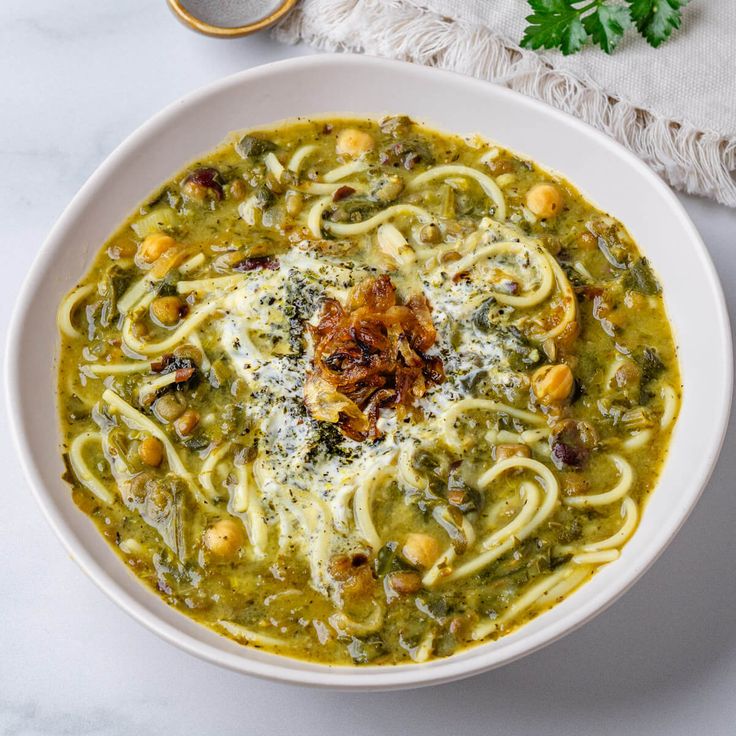
Get ready to discover a truly heartwarming and incredibly delicious dish: Persian Noodle Soup, known as Ash-e Reshteh! This isn’t just any soup; it’s a rich, vibrant, and deeply comforting meal packed with an amazing array of fresh herbs, wholesome beans, and special noodles. Every spoonful offers a delightful mix of savory flavors, a slight tang from kashk (a fermented whey product), and a beautiful aroma that fills your kitchen. It’s a dish that embodies warmth and hospitality, often served during special occasions like Nowruz (Persian New Year) or simply to gather loved ones around the table.
You might think a soup this flavorful would be complicated, but I promise you, it’s surprisingly easy to make. While it has a few steps, each one is straightforward and rewarding. Most of the cooking time involves gentle simmering, allowing all those wonderful ingredients to meld together perfectly. You’ll be amazed at how quickly you can create such an impressive and nourishing meal from scratch, bringing a taste of authentic Persian cuisine right into your home.
So, are you ready to embark on a culinary adventure? This recipe will guide you through every simple step to create a bowl of Ash-e Reshteh that’s bursting with flavor and tradition. It’s a fantastic way to warm up on a chilly day or to share a special meal with family and friends. Don’t be shy – give this delicious Persian Noodle Soup a try; your taste buds will thank you!
Cooking Time & Prep Time
- Prep Time: 40 minutes
- Cooking Time: 75 minutes
- Total Time: 115 minutes
Small tip: Soaking your beans and lentils overnight drastically cuts down on their cooking time and makes them easier to digest. Don’t skip this step if you can!
Ingredients
This recipe makes 6-8 generous servings.
For the Soup Base & Beans
- 1 cup dried chickpeas, soaked overnight and rinsed
- 1 cup dried kidney beans, soaked overnight and rinsed
- 1/2 cup dried green lentils, rinsed
- 2 tablespoons olive oil or vegetable oil
- 2 large yellow onions, finely chopped
- 4 cloves garlic, minced
- 1 teaspoon turmeric powder
- 8 cups vegetable broth (or water)
- Salt and black pepper to taste
For the Herbs & Noodles
- 1 cup fresh parsley, finely chopped
- 1 cup fresh cilantro, finely chopped
- 1 cup fresh dill, finely chopped
- 1 cup fresh spinach, roughly chopped (or 1/2 cup dried fenugreek leaves, rehydrated)
- 6 ounces Persian noodles (reshteh), broken into 2-3 inch pieces (or thin spaghetti/linguine)
For the Garnish (Aash-e Reshteh Toppings)
- 1/4 cup olive oil or vegetable oil
- 1 large onion, thinly sliced into rings
- 2 tablespoons dried mint
- 1/2 cup kashk (Persian fermented whey), plus extra for serving
Step-by-Step Instructions
-
Step 1: Cook the Beans and Lentils
Drain and rinse your soaked chickpeas and kidney beans. In a large pot, combine them with the rinsed lentils and 6 cups of fresh water. Bring to a boil, then reduce heat and simmer for about 45-60 minutes, or until the beans are tender but still hold their shape. Drain any excess water, but keep the beans in the pot.
Small tip: You can cook the beans in an Instant Pot for about 15-20 minutes on high pressure for a quicker method.
-
Step 2: Sauté the Aromatics
While the beans are cooking, heat 2 tablespoons of oil in a large, heavy-bottomed pot or Dutch oven over medium heat. Add the finely chopped onions and sauté for 8-10 minutes until they are soft and translucent. Stir in the minced garlic and turmeric powder, cooking for another 1-2 minutes until fragrant.
Small tip: Don’t rush the onion cooking; browning them slightly adds a wonderful depth of flavor to the soup base.
-
Step 3: Build the Soup Base
Add the cooked beans and lentils to the pot with the sautéed onions. Pour in the 8 cups of vegetable broth (or water). Bring the mixture to a gentle boil, then reduce the heat to low, cover, and let it simmer for 15 minutes to allow the flavors to meld.
Small tip: If you prefer a slightly thicker soup, you can mash a small portion of the beans against the side of the pot.
-
Step 4: Incorporate the Fresh Herbs
Stir in the finely chopped parsley, cilantro, dill, and spinach (or rehydrated fenugreek) into the simmering soup. Continue to cook for another 10-15 minutes, uncovered, allowing the herbs to wilt and infuse the soup with their vibrant flavors and color. Season with salt and black pepper to taste.
Small tip: Taste and adjust seasoning here. Remember, kashk adds saltiness, so be careful not to over-salt.
-
Step 5: Cook the Noodles
Add the broken Persian noodles (reshteh) to the soup. Stir gently to prevent them from sticking together. Cook for 8-10 minutes, or until the noodles are tender but still have a slight bite (al dente). The soup will thicken as the noodles cook and release starch.
Small tip: If using regular thin spaghetti, cook it separately according to package directions and add to the soup just before serving to prevent it from getting mushy.
-
Step 6: Prepare the Garnish
While the noodles are cooking, prepare the garnish. In a small frying pan, heat 1/4 cup of oil over medium heat. Add the thinly sliced onion rings and fry until golden brown and crispy, stirring occasionally. Remove the crispy onions with a slotted spoon and set aside on a paper towel. In the same pan, reduce heat to low, add the dried mint to the remaining hot oil, and sauté for just 30 seconds until fragrant. Be careful not to burn it.
Small tip: The fried mint burns very quickly, so keep a close eye on it! It should be fragrant, not dark brown.
-
Step 7: Finish and Serve
Stir 1/2 cup of kashk into the finished soup. Ladle the hot Ash-e Reshteh into individual serving bowls. Garnish each bowl generously with the crispy fried onions (Piyaz Dagh), the fragrant fried mint (Na’na Dagh), and a swirl of extra kashk. Serve immediately and enjoy this comforting and flavorful Persian classic!
Small tip: A squeeze of fresh lime juice can brighten the flavors even further, if desired.
Tips & Variations
- Gluten-Free Option: Simply use gluten-free noodles or pasta instead of traditional reshteh. Rice vermicelli noodles work beautifully and cook quickly.
- Vegan/Vegetarian Option: This recipe is already vegetarian! To make it fully vegan, omit the kashk (which is dairy-based) or use a plant-based sour cream or plain vegan yogurt thinned with a little water as a similar tangy topping. Ensure your vegetable broth is vegan.
- Add More Vegetables or Protein: Feel free to add chopped carrots, celery, or zucchini along with the onions for extra veggies. For a heartier soup, you can add shredded cooked chicken or small pieces of beef/lamb (cooked separately and added towards the end).
- Spicy Version: For a kick, add a pinch of red pepper flakes along with the turmeric, or a small amount of finely chopped fresh green chili with the garlic. A dash of hot sauce at serving is also an option.
- Tangy Twist: If you don’t have kashk, you can use a dollop of plain yogurt mixed with a little lemon juice or a swirl of sour cream as a garnish.
- Herb Power-Up: For an even richer herb flavor, consider adding a handful of fresh fenugreek leaves (shanbalileh) if you can find them. They add a unique, slightly bitter depth traditional to Persian cooking.
Nutritional Information
Approximate values per serving (based on 8 servings):
- Calories: 450 kcal
- Protein: 22g
- Carbohydrates: 65g
- Fat: 12g
Note: These values are approximate and may vary depending on specific ingredients used (e.g., type of oil, brand of broth, amount of kashk).
Health Benefits
Ash-e Reshteh is not just delicious, it’s packed with wonderful health benefits too! The stars of this soup, chickpeas, kidney beans, and lentils, are powerhouses of plant-based protein and dietary fiber. This means they help keep you feeling full and satisfied, support healthy digestion, and contribute to stable blood sugar levels.
The generous amount of fresh herbs like parsley, cilantro, dill, and spinach are bursting with vitamins and minerals. Parsley is rich in Vitamin K and C, while cilantro offers antioxidants. Dill provides Vitamin A, and spinach is an excellent source of iron and folate. These herbs contribute to overall wellness and boost your immune system.
Turmeric, a key spice in this recipe, is celebrated for its potent anti-inflammatory and antioxidant properties thanks to its active compound, curcumin. It can support joint health and has been linked to numerous other health advantages. Even the humble onion and garlic bring their own benefits, with compounds that support heart health and provide natural antibiotic properties.
Overall, this soup is a nourishing, balanced meal that provides complex carbohydrates for sustained energy, healthy fats, and a wide array of essential nutrients. It’s a wholesome choice that tastes incredible!
Serving Suggestions
- Serve piping hot as a hearty main course, especially comforting on a cold day.
- Offer a side of fresh barbari bread or warm pita bread for dipping into the flavorful broth.
- A plate of fresh herbs (sabzi khordan) like mint, basil, and radishes makes a refreshing accompaniment.
- Pair with Persian pickles (torshi) for a tangy contrast that complements the soup beautifully.
- Enjoy it for lunch or dinner; it’s substantial enough to be a complete meal on its own.
Storage Tips
Leftover Ash-e Reshteh stores wonderfully in an airtight container in the refrigerator for up to 3-4 days. The flavors often deepen overnight! You can also freeze portions of the soup (without the kashk mixed in) for up to 2-3 months. Thaw overnight in the fridge and reheat gently on the stovetop, adding a splash of water or broth if it’s too thick. Stir in fresh kashk when serving after reheating for the best taste and texture.
Conclusion
And there you have it – a magnificent bowl of Delicious Persian Noodle Soup, Ash-e Reshteh, ready to bring warmth and flavor to your table! This soup truly is a culinary masterpiece, combining simple, wholesome ingredients into a dish that’s rich in tradition and absolutely bursting with taste. From the earthy beans and vibrant herbs to the satisfying noodles and tangy kashk, every element plays a crucial role in creating this unforgettable experience.
Don’t be intimidated by the list of ingredients or steps; each part of this recipe is straightforward and comes together to create something truly special. The effort is minimal for the incredible reward you’ll get. Imagine the aroma filling your kitchen as it simmers, promising a comforting meal that feeds both body and soul.
So, go ahead, gather your ingredients, and give this Ash-e Reshteh a try. It’s a perfect meal to share with family and friends, celebrating good food and good company. You’ll not only be making a delicious soup, but also a beautiful memory. Happy cooking!


