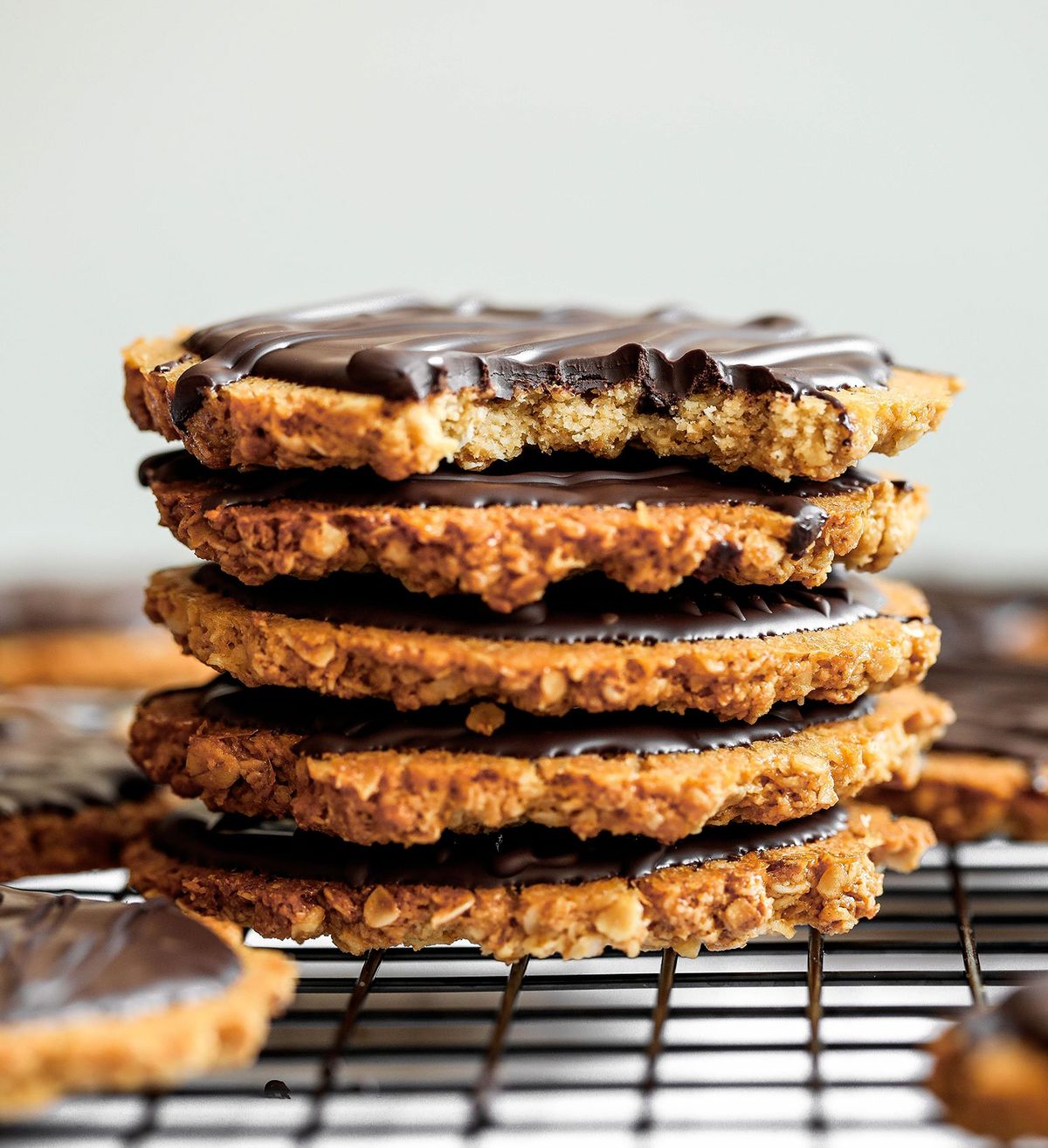

Introduction
Welcome to the wonderful world of baking with sugar alternatives! This isn’t a recipe for a single dish, but rather your ultimate guide to creating all your favorite sweet treats with healthier, delicious sugar substitutes. Imagine enjoying a moist cake, chewy cookies, or fluffy muffins, all with less refined sugar but just as much incredible flavor.
Baking with alternatives is surprisingly easy and quick once you understand a few simple principles. It’s all about making smart swaps in your beloved recipes. You’ll learn how to choose the right sweetener for the job, understand conversion ratios, and adapt for perfect texture every time. No complex techniques, just clever substitutions that yield delightful results.
So, get ready to transform your baking! This guide will empower you to enjoy your sweet cravings in a way that aligns with your health goals, without sacrificing taste. Let’s dive in and discover how truly special and satisfying baking with sugar alternatives can be!
Cooking Time & Prep Time
When exploring sugar alternatives, the “time” is more about understanding and adapting your recipes rather than a single baking session. These timings are estimates for the learning and application process.
- Prep Time: 20-30 minutes (for understanding alternatives and adapting a recipe)
- Cooking Time: Varies greatly (depending on the specific baked good you choose to make, e.g., 20-60 minutes)
- Total Time: Varies (initial learning + baking time)
Small tip: Take your time to read through the options and conversion charts first. A little planning goes a long way in successful alternative baking!
Ingredients
This guide provides information for adapting countless recipes, making them healthier and just as delicious. The “ingredients” here are the sugar alternatives themselves, which you’ll use to replace traditional sugars in your chosen recipes.
Yields: Information for adapting countless recipes
Zero-Calorie Sweeteners (often used in smaller amounts)
- Stevia: 1/4 teaspoon liquid stevia or 1 teaspoon powdered stevia blend (replaces about 1 cup sugar, depending on brand and concentration)
- Erythritol: 1 1/3 cups granular erythritol (replaces about 1 cup sugar)
- Monk Fruit Sweetener: 1 cup monk fruit blend (replaces about 1 cup sugar, depending on blend)
Natural Syrups & Sugars (often replace sugar cup-for-cup or with slight adjustments)
- Pure Maple Syrup: 3/4 cup (replaces 1 cup granulated sugar, reduce other liquids by 1/4 cup)
- Honey: 1/2 to 3/4 cup (replaces 1 cup granulated sugar, reduce other liquids by 1/4 cup, reduce oven temperature by 25°F/15°C)
- Date Sugar: 1 cup (replaces 1 cup granulated sugar, may add a slightly fruity flavor)
- Coconut Sugar: 1 cup (replaces 1 cup granulated sugar, has a caramel-like flavor)
Fruit-Based Sweeteners (often add moisture and flavor)
- Unsweetened Applesauce: 1/2 cup (replaces 1 cup granulated sugar, reduce other liquids by 1/4 cup, may need to reduce fat)
- Mashed Ripe Bananas: 1/2 to 1 cup (replaces 1 cup granulated sugar, adjust other liquids and flavors accordingly)
- Date Paste: 1/2 to 3/4 cup (replaces 1 cup granulated sugar, may add moisture and fiber)
Step-by-Step Instructions
-
Step 1: Understand Your Original Recipe
Before making any swaps, look closely at your original recipe. Identify the type and amount of sugar used. Consider its role: is it just for sweetness, or does it contribute to texture, moisture, or browning? This understanding will help you choose the best alternative.
Small tip: Recipes often use sugar for more than just sweetness. It adds bulk, helps with browning, and retains moisture. Keep these functions in mind!
-
Step 2: Choose Your Sugar Alternative
Based on your recipe’s needs and your dietary preferences, select an alternative. Do you need a zero-calorie option, or are you looking for a natural, less refined sugar? Consider the flavor profile – some alternatives like maple syrup or coconut sugar add distinct notes, while others like erythritol are more neutral.
Small tip: For delicate flavors, choose neutral sweeteners like erythritol or monk fruit. For robust flavors like chocolate or spice, maple syrup or coconut sugar work beautifully.
-
Step 3: Adjust the Sweetness Ratio
This is crucial! Sugar alternatives often have different sweetness levels compared to granulated sugar. Refer to conversion charts (like those in the Ingredients section) for your chosen alternative. Always start with the recommended substitution ratio, but be prepared to adjust slightly to your taste.
Small tip: When in doubt, start with slightly less alternative sweetener than suggested and taste your batter if safe to do so. You can often add a tiny bit more if needed.
-
Step 4: Consider Liquid and Bulk Adjustments
Many liquid sweeteners (like maple syrup or honey) add moisture to your recipe, so you’ll need to reduce other liquids (milk, water, oil) accordingly. On the other hand, some bulk sweeteners like erythritol don’t dissolve as readily or can make baked goods drier. You might need to slightly increase liquid or fat to compensate.
Small tip: As a general rule, for every 1 cup of liquid sweetener used, reduce other liquids in the recipe by 1/4 to 1/3 cup.
-
Step 5: Monitor Baking Time and Temperature
Sugar alternatives can affect how your baked goods brown and set. Some, like honey, brown faster, so you might need to reduce the oven temperature by 25°F (15°C). Others, like erythritol, might not brown as much. Keep a close eye on your oven and test for doneness a little earlier or later than usual.
Small tip: Use visual cues like golden edges and a clean toothpick test, rather than strictly relying on the original recipe’s baking time.
-
Step 6: Taste and Learn for Future Baking
After your baked good cools, taste it! How is the sweetness, texture, and flavor? Make notes on what worked well and what you might adjust next time. Baking with alternatives is an iterative process, and you’ll become a pro with practice.
Small tip: Keep a baking journal! Note down the original recipe, the substitutions you made, and the results. This will be invaluable for future success.
Tips & Variations
- Gluten-Free Option: Most sugar alternatives are naturally gluten-free. They pair beautifully with gluten-free flours like almond, coconut, or oat flour. Just remember to adjust liquid and binding agents when using GF flours, as they absorb moisture differently.
- Vegan or Vegetarian Option: Many sugar alternatives are naturally vegan-friendly, such as maple syrup, coconut sugar, date sugar, erythritol, and monk fruit. If a recipe calls for honey, you can easily substitute it with maple syrup or agave nectar for a vegan version.
- Add More Vegetables or Protein: When using sugar alternatives, you’re already making a healthier choice. Enhance this further by incorporating grated zucchini or carrots into muffins, or adding protein powder to energy bites. The milder sweetness of some alternatives allows the natural flavors of these additions to shine.
- Spicy Version: Elevate your baked goods by adding warming spices like cinnamon, nutmeg, cardamom, or a pinch of cayenne pepper. These spices complement the subtle sweetness of alternatives and add depth of flavor, especially in recipes using fruit-based sweeteners like applesauce or bananas.
- Flavor Boost with Extracts: Use flavor extracts like vanilla bean, almond, lemon, or peppermint to enhance your baked goods without adding more sugar. A little goes a long way in creating a gourmet taste. You can also experiment with citrus zests for a bright, fresh flavor.
Nutritional Information
Approximate values per serving (based on using these alternatives to replace traditional sugar in a typical dessert recipe, which would otherwise contain 200-400 calories and 30-60g carbohydrates per serving):
- Calories: Significantly reduced (typically 25-75% less, depending on the alternative and amount used)
- Protein: Negligible (sugar alternatives do not contribute significant protein)
- Carbohydrates: Reduced (especially with zero-calorie options; natural sugars like maple syrup still contribute carbs but often come with other nutrients)
- Fat: Negligible (sugar alternatives do not contribute significant fat)
Note: These values are highly approximate and will vary significantly depending on the specific sugar alternative chosen, the quantity used, and the other ingredients in your overall recipe. Zero-calorie sweeteners will result in the greatest reduction in calories and carbohydrates.
Health Benefits
Embracing sugar alternatives in your baking offers a range of fantastic health benefits, making your sweet treats guilt-free and nourishing.
One of the primary advantages is a reduced calorie intake. By swapping out refined sugar for options like erythritol or stevia, you can drastically cut down on empty calories, which supports weight management and healthier eating habits.
Many alternatives also contribute to better blood sugar management. Unlike refined sugar, which causes rapid spikes, sweeteners like monk fruit and erythritol have a very low glycemic index. This means they have minimal impact on blood glucose levels, making them excellent choices for individuals managing diabetes or those aiming for stable energy throughout the day.
Certain natural alternatives bring their own nutritional perks. For instance, pure maple syrup contains antioxidants and minerals like manganese and zinc. Dates, used as date sugar or paste, are rich in fiber, potassium, and magnesium, aiding digestion and overall gut health.
Finally, using sugar alternatives can promote improved dental health. Refined sugars are a major cause of tooth decay. Sweeteners like xyl


