
Introduction
Get ready to discover a delightful culinary secret: cooking quail eggs! These tiny treasures are more than just miniature versions of chicken eggs; they offer a uniquely delicate flavor and a rich, creamy texture that elevates any dish. Whether you boil them to perfection or fry them gently, quail eggs are a gourmet touch that’s surprisingly approachable and incredibly delicious.
The best part? Quail eggs cook in a flash! Their small size means you can have a perfectly boiled or beautifully fried egg ready in mere minutes. This makes them an ideal choice for a quick snack, an elegant appetizer, or a charming addition to your breakfast or brunch spread. You don’t need fancy skills or special equipment, just a few simple steps to unlock their delicious potential.
So, are you ready to add a touch of elegance and a burst of flavor to your table? Join me as we explore the simple art of cooking quail eggs. You’ll be amazed at how easy it is to create something truly special, and your taste buds will thank you!
Cooking Time & Prep Time
- Prep Time: 5 minutes
- Cooking Time: 5 minutes
- Total Time: 10 minutes
Small tip: Gathering all your ingredients and tools before you start (this is called “mise en place”) will make the cooking process even smoother and faster!
Ingredients
This recipe makes approximately 4 servings (about 12-16 quail eggs).
- 16 quail eggs
- 4 cups water (for boiling)
- 1 teaspoon salt (for boiling water, optional)
- 1 tablespoon olive oil or butter (for frying, if not boiling)
For Optional Dipping Sauce:
- 2 tablespoons soy sauce (low sodium preferred)
- 1 teaspoon rice vinegar
- 1/2 teaspoon sesame oil
- 1/4 teaspoon chili flakes (optional, for a kick)
- 1 tablespoon chopped fresh chives or green onions (for garnish)
Step-by-Step Instructions
-
Step 1: Prepare Your Quail Eggs
Gently remove the quail eggs from their carton. If you plan to boil them, you don’t need to do much else. If you are frying, have a small bowl ready to crack them into individually, or crack them directly into the pan.
Small tip: Quail egg shells can be a bit tricky to crack cleanly. A sharp knife tap or a pair of small kitchen shears can help open them without breaking the yolk.
-
Step 2: Choose Your Cooking Method – Boiling
If boiling, bring 4 cups of water to a rolling boil in a small saucepan. You can add 1 teaspoon of salt to the water, which can sometimes help with peeling. Carefully lower the quail eggs into the boiling water using a slotted spoon to prevent cracking.
Small tip: Adding eggs directly from the fridge to boiling water can sometimes cause them to crack. Letting them sit at room temperature for a few minutes can help.
-
Step 3: Boil the Quail Eggs to Perfection
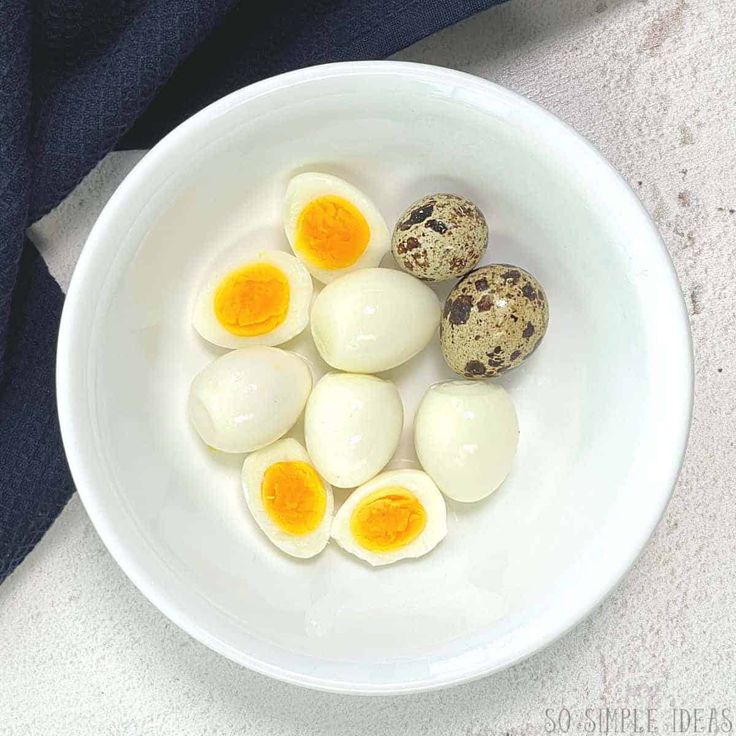
For soft-boiled eggs with a runny yolk, cook for 2 minutes. For medium-boiled with a jammy yolk, cook for 2 minutes and 30 seconds. For hard-boiled eggs with fully set yolks, cook for 3 minutes. Do not overcook, as they can become rubbery.
Small tip: Set a timer! Even 30 seconds can make a big difference in the doneness of these small eggs.
-
Step 4: Cool and Peel Boiled Quail Eggs
Immediately transfer the boiled eggs to an ice bath (a bowl of ice water) to stop the cooking process. Let them cool for at least 5 minutes. Once cool, gently tap and roll each egg on a flat surface, then peel under cold running water. The shells are thin, so be gentle!
Small tip: Peeling under water helps the shell slide off more easily and reduces the chance of damaging the delicate whites.
-
Step 5: Alternative Cooking Method – Pan-Frying
If pan-frying, heat 1 tablespoon of olive oil or butter in a non-stick skillet over medium-low heat. Once the oil is shimmering or the butter is melted, carefully crack each quail egg directly into the pan, leaving a little space between each.
Small tip: Cook in batches if your pan isn’t large enough to avoid overcrowding, which can lower the pan temperature.
-
Step 6: Fry and Season Pan-Fried Quail Eggs
Cook the eggs for about 1-2 minutes, or until the whites are set and the yolks are still runny (or to your desired doneness). Season immediately with a tiny pinch of salt and freshly ground black pepper. Gently remove them from the pan with a spatula.
Small tip: For perfectly sunny-side-up eggs, you can cover the pan for the last 30 seconds to steam the top of the whites without flipping.
-
Step 7: Prepare the Optional Dipping Sauce
In a small bowl, whisk together the soy sauce, rice vinegar, sesame oil, and chili flakes (if using). Taste and adjust seasonings as needed. This simple sauce adds a wonderful savory and tangy element to your quail eggs.
Small tip: You can customize this sauce with a tiny bit of grated ginger or a squeeze of lime juice for extra flavor.
-
Step 8: Serve Your Delicious Quail Eggs
Arrange your cooked quail eggs on a serving platter. Garnish with chopped fresh chives or green onions. Serve immediately with the dipping sauce on the side, or use them as a topping for salads, toast, or other dishes.
Small tip: These eggs are best enjoyed fresh, right after cooking, to appreciate their delicate texture and warmth.
Tips & Variations
- Gluten-Free Option: This dish is naturally gluten-free! Just ensure your soy sauce is certified gluten-free if you are making the dipping sauce.
- Vegetarian Option: Quail eggs are a fantastic vegetarian protein source. If you’re looking for a plant-based alternative that mimics the size and protein punch, consider pan-fried or boiled chickpea “eggs” made from chickpea flour, though the texture will differ.
- Add More Vegetables or Protein: Serve hard-boiled quail eggs halved over a fresh green salad with cherry tomatoes and cucumber. For extra protein, pair them with smoked salmon, prosciutto, or crumbled feta cheese.
- Spicy Version: For a fiery kick, add a dash of sriracha or your favorite hot sauce to the dipping sauce. You can also sprinkle a pinch of red pepper flakes directly onto the fried eggs while they are still hot.
- Marinated Quail Eggs: Hard-boiled quail eggs can be marinated overnight in a mixture of soy sauce, mirin, water, and ginger for a delicious Japanese-inspired snack or ramen topping.
- Pickled Quail Eggs: For a tangy treat, hard-boil and peel the eggs, then immerse them in a pickling brine (vinegar, water, sugar, spices) for a few days. They make a wonderful appetizer!
Nutritional Information
Approximate values per serving (based on 4 servings, 4 quail eggs per serving):
- Calories: 78 kcal
- Protein: 6.2g
- Carbohydrates: 0.6g
- Fat: 5.8g
Note: These values are approximate and may vary depending on the exact ingredients and cooking methods used.
Health Benefits
Quail eggs, though small, pack a mighty nutritional punch. They are a fantastic source of high-quality protein, essential for muscle repair, growth, and overall body function. Including them in your diet can contribute to satiety and help maintain energy levels throughout the day.
These tiny eggs are also rich in various vitamins. They provide a significant amount of Vitamin B12, crucial for nerve function and red blood cell formation. You’ll also find Vitamin A, vital for good vision and immune health, and Vitamin D, which supports bone health and boosts the immune system.
Beyond vitamins, quail eggs deliver important minerals. They are a good source of iron, which helps prevent anemia and carries oxygen in the blood. Selenium, an antioxidant mineral, is also present, playing a role in protecting cells from damage and supporting thyroid function.
While they do contain cholesterol, quail eggs are generally considered a healthy food choice when consumed in moderation as part of a balanced diet. Their nutrient density makes them a smart addition for a boost of essential nutrients in a compact package.
Serving Suggestions
- Elegant Appetizer: Serve hard-boiled quail eggs halved and topped with a tiny dollop of caviar, a sprinkle of fresh dill, or a dab of pesto.
- Salad Topper: Slice hard-boiled quail eggs in half and add them to your favorite green salads, Caesar salads, or even a niçoise salad for a gourmet touch.
- Breakfast or Brunch: Serve pan-fried quail eggs sunny-side up on mini toasts, alongside avocado slices, or nestled onto a bed of sautéed spinach.
- Ramen or Noodle Bowls: Hard-boiled quail eggs (especially marinated ones) are a perfect addition to a warm bowl of ramen, pho, or any Asian-inspired noodle dish.
- Meal Prep Idea: Boil a batch of quail eggs at the beginning of the week. Store them peeled in a container with a little water in the fridge for quick snacks or to add to lunchboxes.
Storage Tips: Cooked quail eggs (especially hard-boiled) can be stored in an airtight container in the refrigerator for up to 3-4 days. It’s not recommended to freeze cooked quail eggs, as their texture can become rubbery and unappetizing upon thawing. To reheat fried quail eggs, a quick warm-up in a dry skillet over low heat or a few seconds in the microwave can work, but they are truly best enjoyed fresh.
Conclusion
And there you have it – the simple, elegant, and utterly delicious world of quail eggs! Whether you prefer them soft-boiled with a runny yolk, perfectly hard-boiled for a snack, or gently fried with crispy edges, these tiny eggs are a testament to how easy it is to create something truly special in your kitchen.
Don’t let their small size intimidate you; their delicate flavor and quick cooking time make them an absolute joy to prepare. They’re perfect for adding a touch of sophistication to a weeknight meal or impressing guests at your next gathering. I truly encourage you to give this recipe a try and discover the magic of quail eggs for yourself.
So go ahead, grab some quail eggs on your next grocery run, and bring a little gourmet flair to your table. Share this delightful experience with your family and friends, and watch their faces light up with every delicate bite. Happy cooking!


