
Introduction
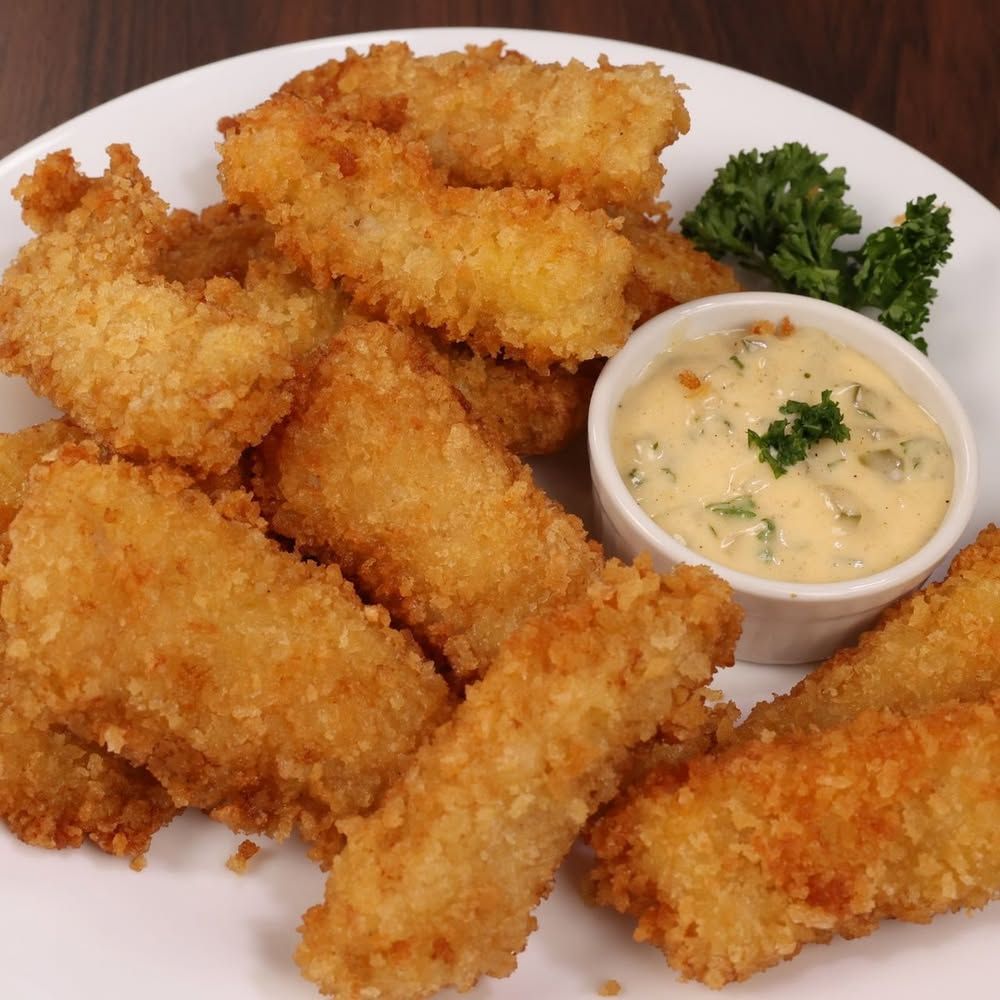
Imagine biting into a piece of perfectly crispy, golden-fried fish. It’s tender and flaky on the inside, with a delightful crunch on the outside. This isn’t just any fried fish; it’s our special recipe for “Chasing The Perfect Fried Fish Without That Fishy Punch.” We’ve cracked the code to ensure every bite is fresh, flavorful, and completely free from any unwanted “fishy” taste, making it a true crowd-pleaser.
This dish is surprisingly easy to make and comes together quicker than you might think. We focus on simple techniques and fresh ingredients to achieve restaurant-quality results right in your own kitchen. You don’t need to be a seasoned chef to master this recipe; just follow our straightforward steps, and you’ll be amazed at what you can create.
So, are you ready to transform ordinary fish into an extraordinary meal? Get ready to impress your family and friends with this incredibly delicious and approachable fried fish recipe. Let’s dive in and chase that perfect, non-fishy crunch together!
Cooking Time & Prep Time
- Prep Time: 25 minutes
- Cooking Time: 15 minutes
- Total Time: 40 minutes
Small tip: You can prepare your dry ingredients and set up your dredging station while the fish is soaking to save a few minutes!
Ingredients
Makes 4 servings
For the Fish Soak
- 1.5 lbs mild white fish fillets (such as cod, tilapia, or haddock), about 1-inch thick
- 2 cups whole milk (or buttermilk for extra tenderness)
- 1 lemon, cut into wedges (for serving)
For the Breading
- 1.5 cups all-purpose flour
- 0.5 cup cornstarch (for extra crispiness)
- 1 tablespoon garlic powder
- 1 tablespoon onion powder
- 1 teaspoon smoked paprika
- 0.5 teaspoon cayenne pepper (optional, for a little kick)
- 1.5 teaspoons salt
- 0.5 teaspoon black pepper
- 2 large eggs, beaten
For Frying
- 4 cups neutral oil for frying (such as vegetable, canola, or peanut oil)
For Garnish (Optional)
- Fresh parsley, chopped
Step-by-Step Instructions
-
Step 1: Prepare the Fish Soak
Pat your fish fillets dry with paper towels. Place them in a shallow dish or bowl. Pour the milk (or buttermilk) over the fish, ensuring it’s completely submerged. This step helps neutralize any “fishy” odors and tenderizes the fish.
Small tip: If you don’t have milk, you can use a mixture of water and a tablespoon of lemon juice for a similar effect.
-
Step 2: Let the Fish Soak
Cover the dish and refrigerate the fish for at least 15 minutes, or up to 30 minutes. This short soak is key to achieving that clean, fresh flavor. Don’t skip this important step!
Small tip: While the fish soaks, you can start preparing your breading station.
-
Step 3: Set Up Your Breading Station
In a shallow dish, whisk together the flour, cornstarch, garlic powder, onion powder, smoked paprika, cayenne pepper (if using), salt, and black pepper. In a second shallow dish, beat the two large eggs. This creates your two-step breading process.
Small tip: Use wide, shallow dishes for easier dredging. A pie plate works perfectly!
-
Step 4: Dredge the Fish
Remove the fish from the milk soak and pat each fillet very dry with paper towels. This helps the breading stick better. First, dip each fillet into the egg mixture, letting any excess drip off. Then, transfer it to the flour mixture, pressing firmly to ensure it’s fully coated on all sides.
Small tip: Use one hand for wet ingredients and the other for dry to keep your hands cleaner.
-
Step 5: Prepare for Frying
Place the breaded fish fillets on a wire rack set over a baking sheet. Let them rest for 5-10 minutes. This allows the breading to adhere even better, preventing it from falling off during frying and ensuring a crispier crust.
Small tip: While the fish rests, heat your oil for frying.
-
Step 6: Heat the Oil
Pour the neutral oil into a large, heavy-bottomed skillet or Dutch oven until it’s about 1-1.5 inches deep. Heat the oil over medium-high heat until it reaches 350-375°F (175-190°C). A thermometer is ideal, but you can test by dropping a pinch of flour; it should sizzle immediately.
Small tip: Maintaining the correct oil temperature is crucial for crispy, non-greasy fish.
-
Step 7: Fry the Fish
Carefully place 1-2 fish fillets into the hot oil, ensuring you don’t overcrowd the pan. Fry for 3-5 minutes per side, or until golden brown and cooked through. The fish should flake easily with a fork.
Small tip: Overcrowding the pan lowers the oil temperature, leading to soggy fish. Fry in batches if needed.
-
Step 8: Drain and Serve
Once cooked, remove the fish from the oil and place it on a wire rack lined with paper towels to drain any excess oil. Season lightly with a pinch of salt immediately after removing from the oil. Serve hot with fresh lemon wedges and a sprinkle of chopped parsley, if desired.
Small tip: A wire rack allows air to circulate, keeping the fish crispy while it drains.
Tips & Variations
- Gluten-Free Option: Replace all-purpose flour with a 1:1 gluten-free all-purpose flour blend. Ensure your cornstarch is also certified gluten-free.
- Vegan/Vegetarian Option: This recipe is designed for fish, but you can adapt the breading for thick slices of firm tofu, oyster mushrooms, or even hearts of palm for a delicious plant-based “fish” experience.
- Add More Vegetables or Protein: Serve alongside a vibrant coleslaw or a fresh green salad. You can also fry shrimp or chicken tenders using the same breading for a varied meal.
- Spicy Version: Increase the cayenne pepper to 1 teaspoon, or add a pinch of chili flakes to the breading mix. A drizzle of hot sauce after frying also adds a fantastic kick!
- Flavor Boost: Add a teaspoon of dried dill or Old Bay seasoning to your flour mixture for a classic seafood flavor profile. A squeeze of lime instead of lemon also offers a zesty twist.
Nutritional Information
Approximate values per serving (based on 4 servings):
- Calories: 450-500
- Protein: 35-40g
- Carbohydrates: 25-30g
- Fat: 25-30g
Note: Nutritional values may vary depending on the specific ingredients used, type of fish, and amount of oil absorbed during frying.
Health Benefits
Our fried fish recipe, when enjoyed in moderation, offers some wonderful health benefits, thanks to its main ingredients.
Mild white fish like cod or tilapia is an excellent source of lean protein. Protein is essential for building and repairing tissues, making enzymes and hormones, and supporting overall body function. It also helps you feel full and satisfied, which can aid in weight management.
These fish varieties are also rich in important vitamins and minerals. They provide a good amount of B vitamins, especially B12, which is crucial for nerve function and red blood cell formation. You’ll also find phosphorus, selenium, and potassium, all vital for bone health, antioxidant defense, and maintaining proper fluid balance.
While this dish is fried, using a neutral oil for cooking means you’re getting some healthy fats. Omega-3 fatty acids, though not as high as in fattier fish, are still present and contribute to heart health and reduced inflammation.
The spices in our breading, like garlic powder, onion powder, and paprika, add more than just flavor. Garlic and onion are known for their antioxidant and anti-inflammatory properties, while paprika contains capsaicinoids, which can have various health benefits.
Serving Suggestions
- Serve with a side of homemade coleslaw or a crisp green salad with a light vinaigrette for a balanced meal.
- Pair with classic french fries or sweet potato fries for a comforting “fish and chips” experience.
- This fried fish is perfect as a main dish, but you can also flake it apart and use it in fish tacos, sandwiches, or even atop a salad for a quick lunch.
- For meal prep, fry the fish and store it separately from any wet sides. Reheat gently to maintain crispiness.
Storage Tips
Leftover fried fish can be stored in an airtight container in the refrigerator for up to 2-3 days. While it can be frozen, the texture may change upon reheating, becoming less crispy. To reheat, place the fish on a wire rack over a baking sheet and bake in a preheated oven at 375°F (190°C) for 10-15 minutes, or until heated through and crispy again. Avoid the microwave, as it will make the fish soggy.
Conclusion
There you have it – the secret to “Chasing The Perfect Fried Fish Without That Fishy Punch”! This recipe delivers on its promise, providing you with incredibly delicious, crispy, and tender fish that everyone will love. The simple soak and flavorful breading make all the difference, transforming a humble fillet into a culinary delight.
We truly encourage you to try this recipe. It’s a fantastic way to enjoy fried fish without any fuss or fear of an overpowering fishy taste. You’ll be amazed at how easy it is to achieve such fantastic results right in your own kitchen.
So gather your ingredients, follow our steps, and get ready to create a meal that will bring smiles to faces. Share this delightful fried fish with your family and friends, and watch it become a new favorite in your recipe rotation!


