
Introduction
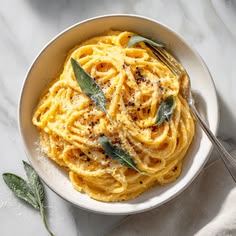
Get ready to fall in love with a dish that tastes like a warm hug on a plate: Butternut Squash Sage Pasta! This recipe brings together the sweet, earthy flavors of roasted butternut squash with fragrant, aromatic sage. It’s truly a celebration of autumn, but it’s so good, you’ll want to make it all year round.
What makes this pasta so special is its creamy, velvety sauce. It’s rich and satisfying, yet surprisingly light. Plus, it’s incredibly easy to make, even on a busy weeknight. Most of the magic happens in the oven while your pasta cooks, making for a streamlined cooking process with minimal fuss.
So, if you’re looking for a comforting, flavorful, and simple meal that will impress everyone at your table, look no further. Grab your apron and let’s make some delicious Butternut Squash Sage Pasta together!
Cooking Time & Prep Time
- Prep Time: 20 minutes
- Cooking Time: 30 minutes
- Total Time: 50 minutes
Small tip: You can save time by buying pre-cut butternut squash. This cuts down on prep significantly!
Ingredients
This recipe makes 4 generous servings.
For the Roasted Butternut Squash
- 1 medium butternut squash (about 2-2.5 lbs), peeled, deseeded, and cut into 1-inch cubes
- 2 tablespoons olive oil
- 1/2 teaspoon salt
- 1/4 teaspoon black pepper
For the Pasta & Sauce
- 12 ounces pasta of your choice (penne, rigatoni, or fettuccine work wonderfully)
- 2 tablespoons olive oil
- 1 small yellow onion, finely chopped
- 3 cloves garlic, minced
- 10-12 fresh sage leaves, roughly chopped, plus extra for garnish
- 1/2 cup vegetable broth (or chicken broth)
- 1/2 cup heavy cream (or half-and-half for a lighter sauce)
- 1/4 teaspoon nutmeg
- 1/4 cup grated Parmesan cheese, plus extra for serving
- Salt and black pepper to taste
Step-by-Step Instructions
-
Step 1: Roast the Butternut Squash
Preheat your oven to 400°F (200°C). On a large baking sheet, toss the cubed butternut squash with 2 tablespoons of olive oil, 1/2 teaspoon salt, and 1/4 teaspoon black pepper. Spread the squash in a single layer.
Roast for 20-25 minutes, or until the squash is tender and slightly caramelized. You want it soft enough to mash easily. Small tip: Don’t overcrowd the baking sheet, as this will steam the squash instead of roasting it. Use two sheets if needed.
-
Step 2: Cook the Pasta
While the squash roasts, bring a large pot of salted water to a rolling boil. Add your pasta and cook according to package directions until al dente. Reserve about 1 cup of the starchy pasta water before draining.
Drain the pasta and set it aside. Small tip: The reserved pasta water is key for achieving a silky, smooth sauce, so don’t forget this step!
-
Step 3: Sauté the Aromatics
In a large skillet or Dutch oven, heat 2 tablespoons of olive oil over medium heat. Add the chopped onion and cook for 3-4 minutes until softened and translucent. Add the minced garlic and chopped sage leaves.
Sauté for another 1-2 minutes until fragrant. Be careful not to burn the garlic. Small tip: Fresh sage is essential for this recipe’s flavor, but if you only have dried, use about 1 teaspoon.
-
Step 4: Build the Butternut Squash Sauce
Add the roasted butternut squash to the skillet with the sautéed aromatics. Mash the squash with a fork or potato masher directly in the pan until mostly smooth. A few small lumps are perfectly fine and add texture.
Pour in the vegetable broth, heavy cream, and nutmeg. Stir everything together until well combined and the sauce is creamy. Let it simmer gently for 2-3 minutes to allow the flavors to meld. Small tip: For an even smoother sauce, you can carefully transfer the mixture to a blender and blend until completely smooth, then return to the pan.
-
Step 5: Combine and Season
Add the cooked and drained pasta to the skillet with the butternut squash sauce. Toss well to coat every strand of pasta. Stir in the grated Parmesan cheese.
If the sauce seems too thick, add a splash or two of the reserved pasta water until it reaches your desired consistency. Season generously with salt and black pepper to taste. Small tip: Taste the sauce before adding salt, as the broth and Parmesan already contribute some salinity.
-
Step 6: Serve and Garnish
Divide the Butternut Squash Sage Pasta among serving bowls. Garnish with a sprinkle of fresh sage leaves and extra grated Parmesan cheese, if desired.
Serve immediately and enjoy this comforting, flavorful meal! Small tip: A few turns of freshly cracked black pepper just before serving truly elevates the dish.
Tips & Variations
- Gluten-Free Option: Simply use your favorite gluten-free pasta. The sauce is naturally gluten-free!
- Vegan or Vegetarian Option: For a vegan version, use vegetable broth, plant-based milk (like unsweetened cashew or oat milk) instead of heavy cream, and nutritional yeast or a vegan Parmesan alternative instead of dairy Parmesan.
- Add More Vegetables or Protein: Sauté some spinach or kale with the garlic for extra greens. Cooked chicken, Italian sausage, or roasted chickpeas would also be delicious additions for a protein boost.
- Spicy Version: Add a pinch or two of red pepper flakes with the garlic and onion for a pleasant kick.
- Extra Flavor Boost: A squeeze of fresh lemon juice at the end brightens up the flavors beautifully. You can also brown the sage leaves in butter before adding them to the sauce for an even richer, nuttier sage flavor.
Nutritional Information
Approximate values per serving (based on 4 servings):
- Calories: 580 kcal
- Protein: 18g
- Carbohydrates: 75g
- Fat: 25g
Note: Nutritional values may vary depending on specific brands and exact quantities of ingredients used.
Health Benefits
This Butternut Squash Sage Pasta isn’t just delicious; it’s packed with healthful ingredients!
Butternut Squash: This vibrant orange squash is a nutritional powerhouse. It’s an excellent source of Vitamin A (in the form of beta-carotene), which is vital for vision, immune function, and skin health. It also provides a good amount of Vitamin C, promoting a healthy immune system, and dietary fiber, which aids digestion and helps keep you feeling full.
Sage: Beyond its aromatic qualities, sage has been used for centuries for its medicinal properties. It’s rich in antioxidants, which help protect your cells from damage. Sage also contains anti-inflammatory compounds and may even support cognitive function.
Olive Oil: We use olive oil in this recipe, which is a key component of the Mediterranean diet. It’s a source of monounsaturated fatty acids, known to be heart-healthy and help reduce bad cholesterol levels.
Garlic and Onion: These fundamental aromatics do more than just add flavor. Garlic is well-known for its immune-boosting properties and contains compounds that may help lower blood pressure. Onions are also a good source of antioxidants and beneficial compounds.
Overall, this dish offers a balanced meal with complex carbohydrates from the pasta, healthy fats, fiber, and a wealth of vitamins and minerals from the star ingredients.
Serving Suggestions
- Serve this pasta with a crisp green salad tossed in a light vinaigrette for a balanced meal.
- A side of warm, crusty bread is perfect for soaking up any leftover sauce.
- While hearty enough as a main course, it also makes a lovely side dish for roasted chicken or pork tenderloin.
- Meal Prep Idea: Cook the squash and sauce separately. Cook the pasta when ready to eat, then combine and heat through. This helps prevent the pasta from getting too soft.
Storage Tips
Leftovers can be stored in an airtight container in the refrigerator for up to 3-4 days. While you can freeze this dish, the pasta texture may become softer upon reheating, and the creamy sauce might separate slightly. To reheat, gently warm on the stovetop over medium-low heat, adding a splash of broth or milk to loosen the sauce if needed.
Conclusion
There you have it – a truly comforting and incredibly flavorful Butternut Squash Sage Pasta recipe that’s perfect for any occasion. The sweetness of the squash, combined with the earthy notes of sage and a creamy sauce, creates a dish that feels both elegant and down-to-earth.
It’s a fantastic way to enjoy seasonal flavors, and its simplicity makes it an ideal choice for a weeknight dinner, yet it’s special enough for entertaining. You’ll be amazed at how much flavor you can create with such straightforward steps.
So, don’t hesitate! Give this recipe a try and share the warmth and deliciousness with your family and friends. Happy cooking!


