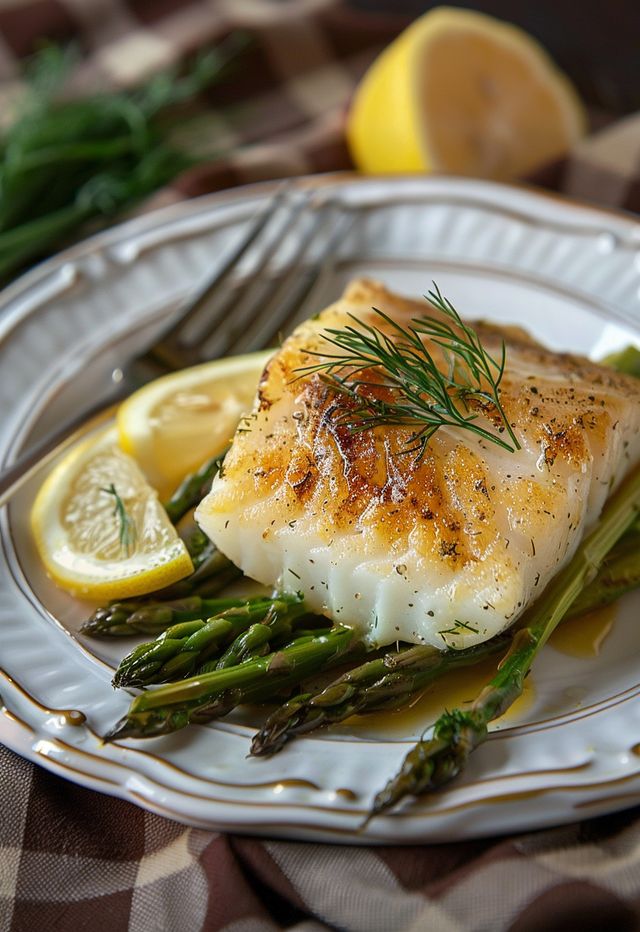
Why Does Fish Get White Bubbles When You Cook It A Real World Kitchen Explanation

Introduction
There’s nothing quite like a perfectly cooked piece of fish. It’s flaky, tender, and incredibly satisfying. Today, we’re diving into a super simple Pan-Seared Lemon Herb Tilapia (or Cod, or Salmon – your choice!) that’s bursting with fresh flavors. This dish is a weeknight wonder, turning simple ingredients into a restaurant-quality meal right in your own kitchen. You’ll love how quickly it comes together and how deliciously light it feels.
Have you ever noticed those little white bubbles or a white, foamy substance appearing on your fish as it cooks? It’s a common sight, and it can sometimes make new cooks wonder if they’ve done something wrong. But fear not! This is completely normal and a real-world kitchen explanation is simple: it’s just albumin, a protein naturally found in fish. When fish muscle fibers contract from heat, this protein is squeezed out and coagulates, turning white. It’s harmless, edible, and a sign your fish is cooking!
Understanding these little kitchen mysteries makes you a more confident cook. Knowing what’s happening to your food helps you trust the process and enjoy the results even more. So, let’s banish any cooking worries and get ready to pan-sear some fantastic fish, embracing those natural bubbles as a sign of a perfectly cooked fillet. Get ready to impress yourself and your taste buds with this easy, flavorful recipe!
Cooking Time & Prep Time
- Prep Time: 10 minutes
- Cooking Time: 8-12 minutes
- Total Time: 18-22 minutes
Small tip: Gather all your ingredients and have them measured out before you start cooking. This is called “mise en place” and it makes everything so much smoother!
Ingredients
This recipe makes 2 servings.
- 2 (6-ounce) fish fillets (such as tilapia, cod, or salmon), about 1 inch thick
- 1 tablespoon olive oil
- 1/2 teaspoon sea salt
- 1/4 teaspoon black pepper
- 1/2 teaspoon garlic powder
- 1/2 teaspoon dried dill or dried parsley
- 1/4 lemon, thinly sliced (for cooking)
- 1/2 lemon, cut into wedges (for serving)
- 2 tablespoons fresh parsley or dill, chopped (for garnish, optional)
Step-by-Step Instructions
-
Step 1: Prepare the Fish Fillets
Gently pat your fish fillets dry with paper towels. This step is super important! Dry fish gets a much better sear and a crispier texture. Make sure both sides are as dry as possible.
Small tip: Removing excess moisture helps prevent the fish from steaming instead of searing, which gives you a beautiful golden crust.
-
Step 2: Season the Fish
In a small bowl, mix together the sea salt, black pepper, garlic powder, and dried dill (or parsley). Sprinkle this seasoning mixture evenly over both sides of each fish fillet. Gently press the seasoning onto the fish so it sticks well.
Small tip: Don’t be shy with the seasoning! It adds so much flavor to your fish.
-
Step 3: Heat the Pan
Place a large non-stick skillet or cast-iron pan over medium-high heat. Add the olive oil and let it heat up until it’s shimmering. You want the pan to be nice and hot before the fish goes in.
Small tip: A hot pan is key for a good sear. If the pan isn’t hot enough, the fish might stick or cook unevenly.
-
Step 4: Sear the Fish
Carefully place the seasoned fish fillets into the hot pan. If using salmon with skin, place it skin-side down first. Add a few thin lemon slices to the pan around the fish; these will infuse a lovely aroma as they cook. Cook for 3-5 minutes without moving the fish. You’ll start to see those white bubbles (albumin!) appearing on the sides and top of the fish, which is a great sign!
Small tip: Resist the urge to move the fish! Let it develop a beautiful golden-brown crust before flipping. The white bubbles are totally normal and mean your fish is cooking perfectly.
-
Step 5: Flip and Finish Cooking
Once the edges look opaque and the bottom is golden, carefully flip the fish fillets. If you’re cooking salmon, flip it to the flesh side. Continue to cook for another 3-5 minutes, or until the fish is opaque throughout and flakes easily with a fork. The total cooking time will depend on the thickness of your fillets.
Small tip: Use a thin, wide spatula for flipping to avoid breaking the delicate fish fillets.
-
Step 6: Rest and Serve
Remove the cooked fish from the pan and let it rest on a plate for a minute or two. This helps the juices redistribute, keeping the fish moist and tender. Garnish with fresh chopped parsley or dill and serve immediately with fresh lemon wedges.
Small tip: A squeeze of fresh lemon juice right before serving brightens all the flavors beautifully.
Tips & Variations
- Gluten-Free Option: This recipe is naturally gluten-free! Enjoy without any modifications.
- Vegan/Vegetarian Option: For a delicious plant-based meal, try pan-searing thick slices of extra-firm tofu, tempeh, or large portobello mushroom caps using the same seasoning and cooking method.
- Add More Vegetables: Serve your fish alongside steamed asparagus, roasted broccoli, or a vibrant mixed green salad for a complete and healthy meal. You can even quickly sauté some spinach in the same pan after cooking the fish.
- Spicy Version: Add a pinch of cayenne pepper or red pepper flakes to your seasoning mix for a fiery kick. A dash of hot sauce right before serving also works wonders!
- Different Herbs & Flavors: Experiment with other dried herbs like oregano, thyme, or a pre-made Italian seasoning blend. A pat of butter added to the pan in the last minute of cooking can also add a rich, nutty flavor.
Nutritional Information
Approximate values per serving (based on 2 servings of Tilapia):
- Calories: 220
- Protein: 28g
- Carbohydrates: 2g
- Fat: 11g
Note: Nutritional values may vary depending on the specific ingredients and brands used, as well as the type of fish chosen.
Health Benefits
This Pan-Seared Lemon Herb Fish isn’t just delicious; it’s packed with wonderful health benefits that nourish your body!
- Rich in Lean Protein: Fish like tilapia, cod, and salmon are excellent sources of high-quality, lean protein. Protein is essential for building and repairing tissues, making enzymes and hormones, and supporting muscle growth.
- Omega-3 Fatty Acids: If you choose salmon, you’re getting a fantastic dose of Omega-3 fatty acids (EPA and DHA). These healthy fats are crucial for heart health, brain function, and reducing inflammation throughout the body.
- Vitamins and Minerals: Fish provides a wealth of important vitamins and minerals, including Vitamin D (important for bone health and immunity), B vitamins (for energy production), and selenium (an antioxidant).
- Vitamin C from Lemon: The fresh lemon adds a burst of Vitamin C, a powerful antioxidant that supports your immune system, helps with iron absorption, and is vital for healthy skin.
- Antioxidants from Herbs: The garlic, dill, and parsley in our seasoning contribute antioxidants and anti-inflammatory compounds, adding another layer of health benefits to your meal.
Serving Suggestions
- Classic Pairing: Serve with a side of fluffy quinoa or brown rice and a generous portion of steamed green beans or roasted asparagus.
- Light & Fresh: Enjoy with a simple mixed green salad tossed with a light vinaigrette for a super refreshing meal.
- Comfort Food: Pair with creamy mashed potatoes or a baked sweet potato for a more comforting and hearty dinner.
- Meal Prep Idea: Cook the fish as directed and let it cool. Store it in an airtight container in the fridge. When ready to eat, gently reheat or enjoy cold over a salad for a quick and healthy lunch.
Storage Tips
Leftover pan-seared fish can be stored in an airtight container in the refrigerator for up to 2-3 days. While you can freeze cooked fish, the


