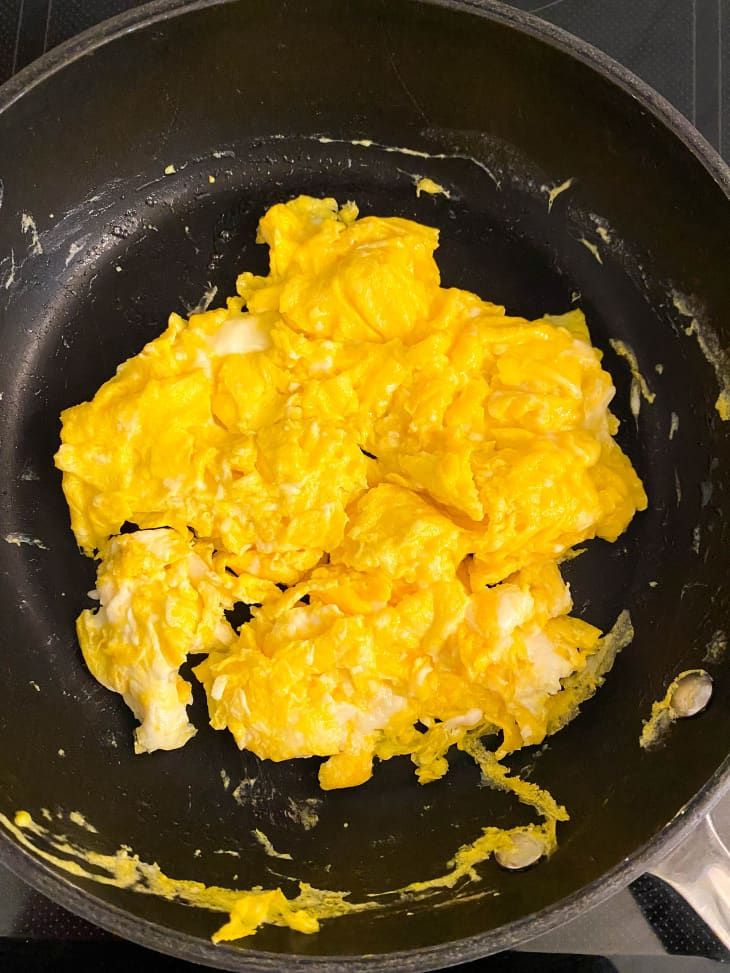
Scrambled Eggs And The Great Milk Debate A Kitchen Controversy Cracked Wide Open

Introduction
Scrambled eggs are a true kitchen superstar. They are a simple dish, yet incredibly satisfying. Imagine soft, fluffy clouds of egg, perfectly seasoned and ready to melt in your mouth. It’s comfort food at its finest, a blank canvas for your culinary creativity.
This humble dish is also incredibly quick and easy to make. You don’t need fancy equipment or a long list of ingredients. In just minutes, you can transform a few eggs into a delicious meal. It’s perfect for busy mornings, a light lunch, or even a quick dinner when you’re short on time.
Today, we’re not just making scrambled eggs. We’re diving into “The Great Milk Debate”! Should you add milk or cream to your eggs? Or nothing at all? Let’s crack this controversy wide open and discover your perfect scramble together. Get ready to create some magic in your kitchen!
Cooking Time & Prep Time
- Prep Time: 5 minutes
- Cooking Time: 5-7 minutes
- Total Time: 10-12 minutes
Small tip: Gather all your ingredients before you start cooking. This makes the process much smoother and faster.
Ingredients
This recipe makes 2 servings.
For the Eggs:
- 4 large eggs
- 1 tablespoon unsalted butter (or your preferred cooking fat)
- Salt, to taste
- Freshly ground black pepper, to taste
For the Great Milk Debate (choose one, or none!):
- 1-2 tablespoons whole milk
- 1-2 tablespoons half-and-half
- 1-2 tablespoons heavy cream
- 1-2 tablespoons water
Step-by-Step Instructions
-
Step 1: Prepare Your Eggs
Crack the eggs into a medium bowl. Add a pinch of salt and pepper. Do not add any liquid yet, we’ll get to that in a moment!
Small tip: Crack eggs on a flat surface, not the edge of the bowl. This helps prevent shell fragments from falling in.
-
Step 2: Heat Your Pan
Place a non-stick skillet over medium-low heat. Add the butter and let it melt completely. Swirl the butter around to coat the bottom of the pan evenly.
Small tip: Low and slow is the secret to creamy, tender scrambled eggs. Avoid high heat.
-
Step 3: The Great Milk Debate – Whisk and Pour!
Now, it’s decision time! If you like your eggs extra creamy, add your chosen liquid (milk, half-and-half, or heavy cream) to the bowl with the eggs. For lighter, fluffier eggs, add a splash of water. If you prefer a pure egg flavor and a firmer texture, add nothing at all!
Whisk the eggs vigorously with a fork until the yolks and whites are fully combined and slightly frothy. Then, pour the egg mixture into the warm, buttered skillet.
Small tip: Whisking thoroughly ensures an even color and texture in your finished scramble.
-
Step 4: Begin to Scramble
Let the eggs sit undisturbed for about 30 seconds until the edges just begin to set. Do not stir yet. This initial set helps create larger, softer curds.
Small tip: Resist the urge to stir too early. Patience is key for perfect scrambled eggs.
-
Step 5: Gentle Folding
Using a rubber spatula, gently push the cooked egg from one side of the pan towards the center. Tilt the pan to allow the uncooked egg to flow into the empty space. Repeat this process, gently folding and pushing the eggs, until they are mostly set but still slightly moist and glossy.
Small tip: Remove the eggs from the heat just before they are fully cooked. They will continue to cook slightly from residual heat.
-
Step 6: Final Seasoning
Taste the eggs and add more salt and pepper if needed. You can also add a tiny knob of fresh butter at this stage for extra richness and shine, stirring it in gently.
Small tip: Adjust seasoning to your preference. A final sprinkle of flaky sea salt can add a nice crunch.
-
Step 7: Serve Immediately
Transfer the scrambled eggs to warmed plates right away. Enjoy them hot and fresh!
Small tip: Scrambled eggs are best enjoyed immediately. They can become rubbery if left to sit too long.
Tips & Variations
- Gluten-Free Option: This recipe is naturally gluten-free! Just ensure any additions like sauces or seasonings are also gluten-free.
- Vegan or Vegetarian Option: For a delicious vegan scramble, use a plant-based egg substitute (like a chickpea-flour-based “egg” mixture or a commercial vegan egg product) and plant-based butter. For vegetarians, this recipe is already perfect!
- Add More Vegetables or Protein: Stir in chopped spinach, diced bell peppers, sautéed mushrooms, or cherry tomatoes during the last minute of cooking. For extra protein, crumble in cooked bacon, ham, or sausage, or stir in some grated cheese (cheddar, Gruyere, or feta are great options) just before the eggs are fully set.
- Spicy Version: Add a pinch of red pepper flakes to the eggs before whisking. Drizzle with your favorite hot sauce or sriracha just before serving for a delicious kick.
- Herbaceous Delight: Stir in fresh chopped herbs like chives, parsley, dill, or tarragon just before serving. They add a wonderful freshness and aroma.
Nutritional Information
Approximate values per serving (based on 2 servings, using whole milk):
- Calories: 180 kcal
- Protein: 13g
- Carbohydrates: 2g
- Fat: 14g
Note: Nutritional values may vary depending on exact ingredients and amounts used.
Health Benefits
Eggs are a nutritional powerhouse! They are packed with high-quality protein, essential for muscle repair and growth, and keeping you feeling full and satisfied.
They are also a fantastic source of vitamins and minerals. Eggs contain Vitamin D, which is crucial for bone health, and Vitamin B12, important for nerve function and energy production.
You’ll also find choline in eggs, which plays a vital role in brain health and memory. Selenium, another mineral found in eggs, acts as an antioxidant, protecting your cells from damage.
When consumed in moderation, the healthy fats from the butter provide energy and help with the absorption of fat-soluble vitamins. If you choose to add milk or cream, you’ll get an extra boost of calcium, which is vital for strong bones and teeth.
Serving Suggestions
- Serve alongside a slice of toasted sourdough bread or a warm English muffin.
- Pair with crispy bacon, breakfast sausage, or a side of smoked salmon for a hearty meal.
- Top with sliced avocado and a sprinkle of everything bagel seasoning for a trendy brunch.
- Enjoy with a simple fruit salad or a handful of fresh berries for a balanced breakfast.
- Use as a filling for breakfast tacos or burritos, adding salsa and cheese.
Storage Tips: Scrambled eggs are best enjoyed fresh. If you have leftovers, store them in an airtight container in the refrigerator for up to 1-2 days. Freezing scrambled eggs is generally not recommended as their texture can become rubbery and watery upon thawing. To reheat, gently warm in a skillet over low heat, stirring occasionally, or microwave in short bursts until just heated through.
Conclusion
And there you have it! Scrambled eggs, a simple yet profound dish, elevated by your personal touch. Whether you’re team “milk for creaminess,” team “water for fluffiness,” or team “pure egg for richness,” the perfect scramble is truly what you make it.
This recipe is more than just instructions; it’s an invitation to experiment and find your own scrambled egg nirvana. Don’t be afraid to play with the liquids, the seasonings, and the add-ins. Your kitchen is your canvas!
So go ahead, whip up a batch (or two!) of these delightful eggs. Share them with loved ones, or savor them all to yourself. Every bite is a testament to simple, delicious cooking. Happy scrambling!


