
Introduction
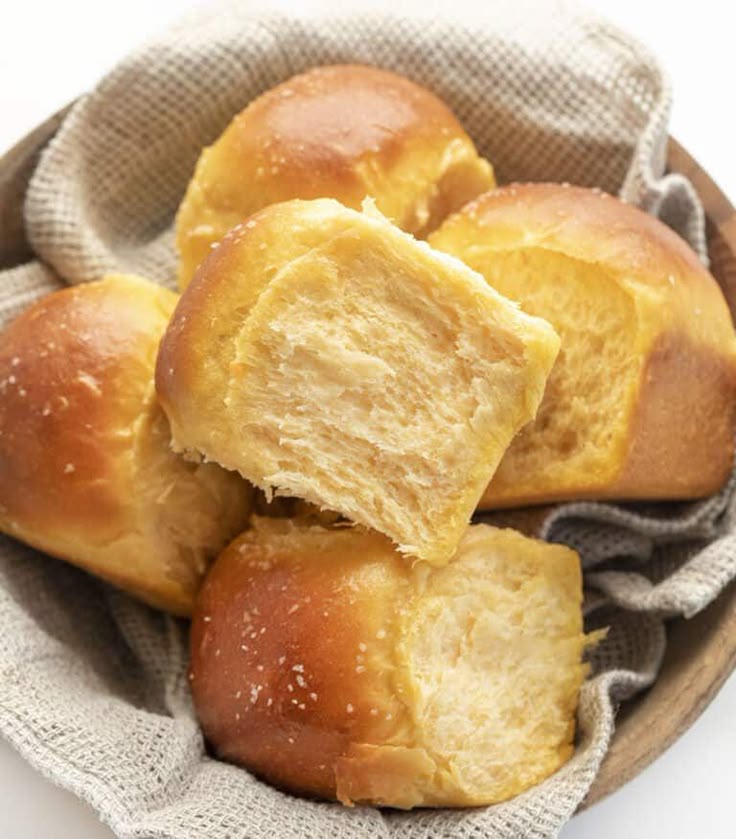
Get ready to discover a truly special treat: Potato Bread Rolls! These aren’t just any ordinary bread rolls. The secret ingredient, mashed potatoes, makes them incredibly soft, wonderfully fluffy, and unbelievably moist. Each bite offers a comforting taste and a tender texture that simply melts in your mouth.
You might think making bread is complicated, but these potato rolls are surprisingly easy to master. The potato purée helps create a forgiving dough that’s a joy to work with, even for beginners. It adds a unique richness and keeps the rolls fresh for longer. This recipe is designed to guide you smoothly through every step, ensuring delicious results every time.
Imagine the aroma filling your kitchen as these golden-brown beauties bake to perfection. Whether served warm with butter, alongside a hearty meal, or as a base for a mini sandwich, they are sure to impress. Don’t wait – let’s bake some unforgettable potato bread rolls that will bring smiles to everyone around your table!
Cooking Time & Prep Time
- Prep Time: 40 minutes (includes potato cooking, cooling, and dough mixing)
- First Rise: 60-90 minutes
- Second Rise: 30 minutes
- Cooking Time: 20-25 minutes
- Total Time: Approximately 2 hours 50 minutes – 3 hours 15 minutes (active + inactive time)
Small tip: To make your baking day even smoother, you can cook and mash the potatoes a day in advance. Store the purée in an airtight container in the fridge, then bring it to room temperature before you start the dough.
Ingredients
Makes: 12-14 rolls
For the Potato Purée:
- 2 medium potatoes (about 300g / 10 oz), peeled and cubed
- 1/2 cup (120ml) milk (any kind), warmed
- 2 tablespoons (28g) unsalted butter, softened
For the Dough:
- 1 cup (240ml) warm water (105-115°F / 40-46°C)
- 2 1/4 teaspoons (7g) active dry yeast (one standard packet)
- 1 tablespoon (13g) granulated sugar
- 1 teaspoon salt
- 3 1/2 to 4 cups (420-480g) all-purpose flour, plus more for dusting
- 1 large egg, beaten (for egg wash, optional)
Step-by-Step Instructions
-
Step 1: Prepare the Potatoes
Place the peeled and cubed potatoes in a medium saucepan. Cover them with cold water and add a pinch of salt. Bring to a boil, then reduce heat and simmer until the potatoes are fork-tender, about 15-20 minutes. Drain the potatoes well and return them to the hot pan.
Small tip: Ensuring your potatoes are very tender makes them easier to mash smoothly, which is key for a consistent dough texture.
-
Step 2: Mash the Potatoes with Milk and Butter
Add the warmed milk and softened butter to the drained potatoes. Mash them thoroughly until completely smooth. You want a creamy purée with no lumps. Let the potato purée cool down to lukewarm before proceeding, about 15-20 minutes.
Small tip: Using a potato ricer can give you the smoothest purée, but a good old-fashioned masher works perfectly too. Make sure it’s cool enough not to kill the yeast!
-
Step 3: Activate the Yeast
In a large mixing bowl, combine the warm water, granulated sugar, and active dry yeast. Stir gently and let it sit for 5-10 minutes. The mixture should become foamy and bubbly, indicating the yeast is alive and active.
Small tip: If your yeast doesn’t foam, your water might be too hot or too cold, or your yeast might be old. Start again with fresh yeast and properly tempered water.
-
Step 4: Combine Wet Ingredients
Once the yeast is active, add the cooled potato purée and the salt to the yeast mixture. Stir everything together until it’s well combined and smooth. This creates a flavorful and moist base for your dough.
Small tip: Ensure the potato mixture is truly lukewarm, not hot, before adding it to the yeast. High heat can kill the yeast and prevent your dough from rising.
-
Step 5: Mix the Dough
Gradually add the all-purpose flour, one cup at a time, to the wet ingredients. Mix with a wooden spoon or a dough hook on a stand mixer until a shaggy dough forms. It will be sticky at first.
Small tip: Hold back a little flour at the end; you might not need all of it. The exact amount can vary based on humidity and how moist your potatoes are.
-
Step 6: Knead the Dough
Turn the dough out onto a lightly floured surface. Knead for 8-10 minutes by hand, or 5-7 minutes with a stand mixer on medium speed, until the dough is smooth, elastic, and no longer sticky. It should spring back when lightly poked.
Small tip: Resist the urge to add too much extra flour during kneading. A slightly sticky dough is better than a dry, tough one. Just use enough flour to prevent sticking.
-
Step 7: First Rise
Lightly grease a large bowl with a little oil. Place the dough in the bowl, turning it once to coat the top. Cover the bowl with plastic wrap or a clean kitchen towel. Let the dough rise in a warm, draft-free place for 60-90 minutes, or until it has doubled in size.
Small tip: A slightly warm oven (turned off, with the light on) or a sunny spot on your counter can be a great place for dough to rise.
-
Step 8: Shape the Rolls
Gently punch down the risen dough to release the air. Turn it out onto a lightly floured surface and divide it into 12-14 equal pieces. Shape each piece into a smooth, round ball by tucking the edges under. Pinch the bottom to seal.
Small tip: For perfectly even rolls, you can weigh each piece of dough. Aim for about 60-70 grams per roll.
-
Step 9: Second Rise
Arrange the shaped rolls on a baking sheet lined with parchment paper, leaving about 2 inches between them. Cover loosely with plastic wrap or a kitchen towel. Let them rise again in a warm place for another 30 minutes, or until they look puffy and have nearly doubled in size.
Small tip: Don’t let the rolls over-proof during the second rise, or they might collapse in the oven. They should look noticeably larger but still have some structure.
-
Step 10: Preheat Oven & Egg Wash
While the rolls are on their second rise, preheat your oven to 375°F (190°C). If using an egg wash for a golden, shiny crust, gently brush the tops of the risen rolls with the beaten egg.
Small tip: If you don’t want to use egg wash, you can brush the rolls with a little milk or melted butter for a softer crust, or just leave them plain.
-
Step 11: Bake the Rolls
Bake the rolls in the preheated oven for 20-25 minutes, or until they are golden brown on top and sound hollow when tapped on the bottom. Their internal temperature should reach 200-210°F (93-99°C).
Small tip: If the tops are browning too quickly, you can loosely tent the rolls with aluminum foil for the last few minutes of baking.
-
Step 12: Cool and Serve
Once baked, transfer the rolls to a wire rack to cool slightly. They are best served warm, fresh from the oven, with a pat of butter. Enjoy your homemade potato bread rolls!
Small tip: While it’s tempting to dive in immediately, letting them cool for 10-15 minutes helps set the crumb and prevents them from being gummy inside.
Tips & Variations
- Gluten-Free Option: To make these rolls gluten-free, substitute the all-purpose flour with a 1:1 gluten-free all-purpose flour blend that contains xanthan gum. You might need slightly more or less liquid, so adjust as needed until you achieve a workable dough consistency.
- Vegan Option: Easily make these rolls vegan by using a plant-based milk (such as almond or soy milk) and a vegan butter alternative for both the potato purée and brushing the rolls. Skip the egg wash entirely, or brush with a little plant-based milk for a softer crust.
- Add More Flavor & Texture: Stir in 1/2 cup of shredded cheddar cheese, finely chopped fresh rosemary, or 1/4 cup of crispy cooked bacon bits (for non-


