
Introduction
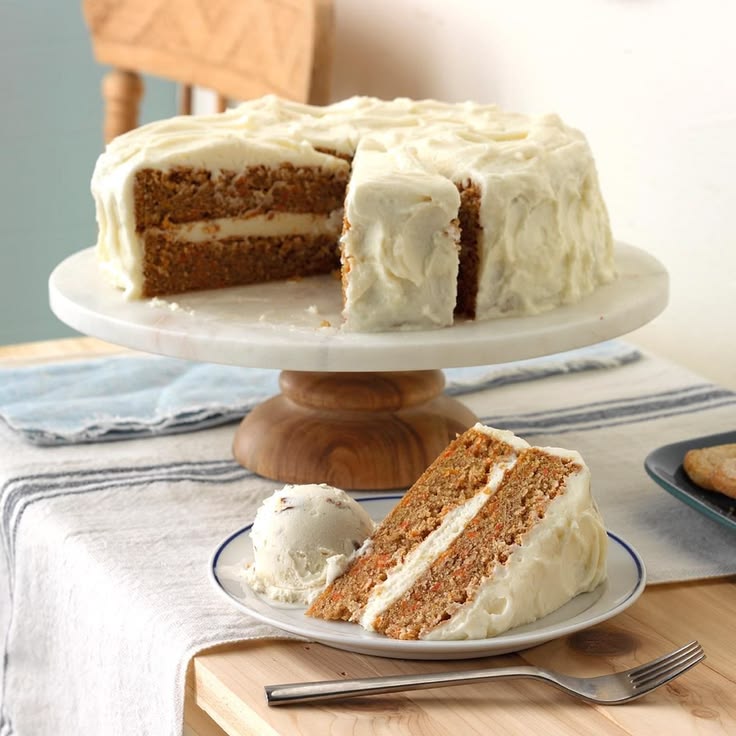
Get ready to discover the magic of homemade Carrot Cake! This delightful dessert is a true classic, loved by so many. It’s incredibly moist, packed with warm spices, and topped with the most irresistible tangy cream cheese frosting. Every bite is a comforting blend of sweet and savory, making it perfect for any celebration or just a cozy afternoon treat.
You might think baking a cake from scratch is complicated, but I promise you, this carrot cake recipe is surprisingly easy to make. We’re talking simple mixing steps and straightforward baking. There are no fancy techniques required, just a few basic kitchen tools and a little love. It’s a wonderful recipe for beginners and experienced bakers alike, delivering impressive results every time.
So, why wait? Gather your ingredients and let’s bake something truly special together. This recipe will guide you smoothly through each step. You’ll be amazed at how quickly your kitchen fills with the most wonderful aromas. Get ready to enjoy the ultimate homemade carrot cake experience!
Cooking Time & Prep Time
- Prep Time: 25 minutes
- Cooking Time: 30-35 minutes
- Total Time: 55-60 minutes
Small tip: Always preheat your oven first. This ensures it’s at the correct temperature when your cake batter is ready to go in.
Ingredients
This recipe makes 12 generous servings.
For the Carrot Cake
- 2 cups (240g) all-purpose flour
- 1 teaspoon baking soda
- 1 teaspoon baking powder
- 1 teaspoon ground cinnamon
- 1/2 teaspoon ground nutmeg
- 1/4 teaspoon ground cloves (optional, but adds depth)
- 1/2 teaspoon salt
- 1 1/2 cups (300g) granulated sugar
- 1/2 cup (100g) packed light brown sugar
- 3 large eggs, at room temperature
- 1 cup (240ml) vegetable oil (or other neutral oil like canola)
- 1 teaspoon vanilla extract
- 3 cups (about 3 medium carrots) finely grated carrots
- 1/2 cup (60g) chopped walnuts or pecans (optional, but recommended for texture)
For the Cream Cheese Frosting
- 8 ounces (226g) cream cheese, softened
- 1/2 cup (113g) unsalted butter, softened
- 4 cups (480g) powdered sugar, sifted
- 1 teaspoon vanilla extract
- Pinch of salt
Step-by-Step Instructions
-
Step 1: Prepare Your Oven and Pan
Preheat your oven to 350°F (175°C). Grease and flour a 9×13 inch baking pan. You can also use two 8-inch round cake pans for a layered cake. Be sure to coat every corner well.
Small tip: For round pans, line the bottoms with parchment paper after greasing. This makes removal super easy!
-
Step 2: Combine Dry Ingredients
In a large bowl, whisk together the all-purpose flour, baking soda, baking powder, ground cinnamon, ground nutmeg, ground cloves, and salt. Make sure there are no lumps and everything is evenly distributed. Set this bowl aside for a moment.
-
Step 3: Mix Wet Ingredients
In a separate, even larger bowl, combine the granulated sugar and light brown sugar. Add the eggs, vegetable oil, and vanilla extract. Beat these ingredients together with an electric mixer on medium speed until they are light, creamy, and well combined. This usually takes about 2-3 minutes.
-
Step 4: Combine Wet and Dry Mixtures
Gradually add the dry ingredient mixture to the wet ingredient mixture. Mix on low speed until just combined. Be careful not to overmix the batter at this stage. A few small streaks of flour are perfectly fine.
Small tip: Overmixing can develop the gluten in the flour too much, leading to a tougher cake. Gentleness is key here!
-
Step 5: Fold in Carrots and Nuts
Gently fold in the finely grated carrots and the chopped walnuts or pecans (if using). Use a spatula to incorporate them evenly throughout the batter. This step adds wonderful moisture and texture to your cake.
-
Step 6: Bake the Cake
Pour the cake batter into your prepared baking pan(s). Spread it evenly with a spatula. Bake for 30-35 minutes for a 9×13 inch pan, or 25-30 minutes for round pans. The cake is done when a wooden skewer or toothpick inserted into the center comes out clean.
Small tip: Oven temperatures can vary, so start checking for doneness a few minutes before the minimum bake time.
-
Step 7: Cool the Cake
Once baked, remove the cake from the oven and let it cool in the pan for about 10-15 minutes. Then, carefully invert the cake onto a wire rack to cool completely. It’s very important that the cake is entirely cool before you frost it.
Small tip: Frosting a warm cake will cause the frosting to melt and slide right off. Patience is a virtue!
-
Step 8: Prepare the Cream Cheese and Butter for Frosting
While the cake cools, start on your frosting. In a medium bowl, beat the softened cream cheese and softened unsalted butter together with an electric mixer. Beat on medium speed until the mixture is completely smooth and creamy, with no lumps of cream cheese.
Small tip: Make sure your cream cheese and butter are truly at room temperature. This is crucial for a smooth, lump-free frosting.
-
Step 9: Add Powdered Sugar
Gradually add the sifted powdered sugar to the cream cheese mixture, one cup at a time. Beat on low speed until just incorporated, then increase to medium speed. Continue beating until the frosting is light and fluffy. Sifting the powdered sugar beforehand prevents lumps.
-
Step 10: Finish the Frosting
Stir in the vanilla extract and a pinch of salt. Beat for another minute or two until the frosting is perfectly smooth, creamy, and spreadable. Taste and adjust sweetness if desired.
-
Step 11: Frost the Cake
Once your cake is completely cool, spread the cream cheese frosting evenly over the top using an offset spatula or knife. You can make decorative swirls or just a smooth layer. If you used round pans, stack and frost your layers. Decorate with a few extra chopped nuts if you like. Slice and enjoy!
Tips & Variations
- Gluten-Free Option: Easily make this cake gluten-free by swapping the all-purpose flour for a 1:1 gluten-free baking flour blend. Look for one that contains xanthan gum for the best texture.
- Vegan Option: To make this recipe vegan, use a flax egg (1 tbsp ground flaxseed + 3 tbsp water per egg) or commercial egg replacer, plant-based milk instead of any dairy, and vegan butter and cream cheese for the frosting.
- Add More Goodness: For extra texture and nutrients, consider adding 1/2 cup of crushed pineapple (well-drained) to the batter. You can also boost protein by adding more nuts or even a scoop of unflavored plant-based protein powder to the dry ingredients.
- Spicy Version: If you love a bit of heat, increase the cinnamon to 1.5 teaspoons, and add an extra pinch of ground ginger or even a tiny dash of cayenne pepper to the dry ingredients. It creates a subtle, intriguing warmth.
- Citrus Zest Boost: For a brighter flavor, add 1 tablespoon of orange or lemon zest to the wet ingredients. It pairs beautifully with the carrots and spices. You can also add a teaspoon of orange juice to the frosting for a citrusy tang.
Nutritional Information
Approximate values per serving (based on 12 servings):
- Calories: 520 kcal
- Protein: 5g
- Carbohydrates: 65g
- Fat: 28g
Please note: These values are approximate and may vary depending on the specific brands and quantities of ingredients used.
Health Benefits
While carrot cake is a dessert, it does bring some beneficial ingredients to the table!
The star of the show, carrots, are an excellent source of beta-carotene, which your body converts into Vitamin A. Vitamin A is crucial for good vision, a healthy immune system, and glowing skin. Carrots also provide dietary fiber, which aids digestion and can help maintain stable blood sugar levels.
The spices used, like cinnamon, nutmeg, and cloves, aren’t just for flavor. They are packed with antioxidants, which help protect your body’s cells from damage. Cinnamon, in particular, has been studied for its potential anti-inflammatory properties and its ability to help regulate blood sugar.
If you choose to add nuts like walnuts or pecans, you’re boosting the cake’s nutritional profile even further. Nuts are a great source of healthy fats, including omega-3 fatty acids, which are beneficial for heart health. They also provide protein, fiber, and essential minerals like magnesium and zinc.
Finally, eggs contribute high-quality protein and a range of vitamins and minerals, including B vitamins and choline, which are important for brain health. So, while it’s a treat, you can feel good knowing you’re getting a little extra goodness with each slice!
Serving Suggestions
- Serve warm or at room temperature with a cup of freshly brewed coffee or a soothing herbal tea for a perfect afternoon pick-me-up.
- Present it as the grand finale to a special dinner party. It’s always a crowd-pleaser and looks beautiful on any dessert table.
- Cut into smaller squares for a sweet bite-sized treat at potlucks or family gatherings.
- For a truly indulgent experience, add a scoop of vanilla bean ice cream or a dollop of whipped cream on the side.
Storage Tips
Your delicious carrot cake will stay fresh and moist in the refrigerator for up to 5 days. Make sure to keep it tightly covered with plastic wrap or in an airtight container to prevent it from drying out and to protect the frosting. Yes, you can absolutely freeze carrot cake! For best results, freeze unfrosted cake layers wrapped tightly in plastic wrap and then foil for up to 2 months. If frozen with frosting, individual slices wrapped well will keep for about 1 month. To reheat, simply bring slices to room temperature for about an hour, or gently warm in the microwave for a few seconds for a softer cake.
Conclusion
And there you have it! A truly magnificent homemade carrot cake, ready to be enjoyed. This recipe proves that baking from scratch doesn’t have to be daunting. The blend of moist cake, aromatic spices, and that dreamy cream cheese frosting is simply unbeatable. It’s a taste of comfort and celebration all in one.
I genuinely hope you’ll give this recipe a try. The satisfaction of pulling a warm, fragrant cake from your oven is an experience like no other. You’ll be so proud of what you’ve created, and your taste buds will thank you for it. It’s a perfect way to bring a little extra joy into your home.
So go ahead, bake this carrot cake, share


