
Introduction
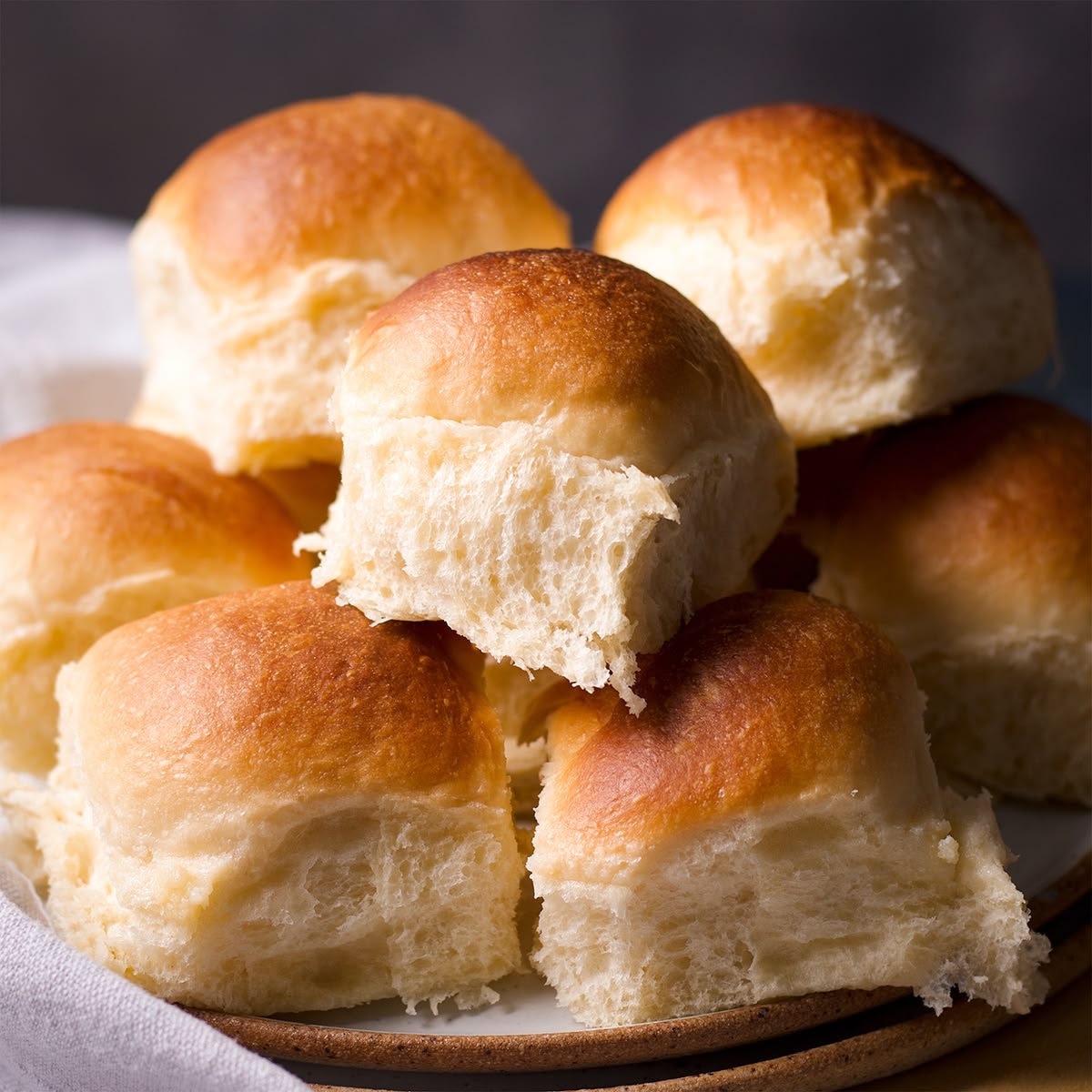
There’s nothing quite like the smell of freshly baked bread filling your home. These Buttermilk Dinner Rolls are pure comfort in every bite. They are incredibly soft, wonderfully fluffy, and have a subtle tang from the buttermilk that makes them utterly irresistible. Perfect for any meal, from a simple weeknight dinner to a festive holiday spread, they disappear quickly!
You might think making rolls from scratch is a big undertaking, but I promise you, it’s easier than you imagine. This recipe uses straightforward steps and common ingredients. With a little patience for the dough to rise, you’ll be rewarded with bakery-quality rolls that taste infinitely better than anything store-bought. It’s a truly rewarding kitchen project that even beginners can master.
So, get ready to roll up your sleeves and experience the joy of homemade bread. These Buttermilk Dinner Rolls are sure to become a cherished recipe in your kitchen. Let’s bake something delicious together!
Cooking Time & Prep Time
- Prep Time: 30 minutes
- First Rise: 60-90 minutes
- Second Rise: 30-45 minutes
- Cooking Time: 18-22 minutes
- Total Time: Approximately 2 hours 40 minutes – 3 hours 27 minutes (including rise times)
Small tip: The rising times can vary based on the warmth of your kitchen. If it’s cooler, your dough might need a bit longer to double in size. Be patient!
Ingredients
This recipe makes about 16 delicious dinner rolls.
- For the Dough:
- 1 cup (240ml) warm whole milk (105-115°F / 40-46°C)
- 2 ¼ teaspoons (1 standard packet) active dry yeast
- ¼ cup (50g) granulated sugar, plus a pinch for yeast
- 4 ½ cups (540g) all-purpose flour, plus more for dusting
- 1 ½ teaspoons salt
- ½ cup (113g) unsalted butter, melted and cooled slightly
- ¾ cup (180ml) buttermilk, at room temperature
- 1 large egg, at room temperature
- For the Glaze (Optional):
- 2 tablespoons unsalted butter, melted
Step-by-Step Instructions
-
Step 1: Activate the Yeast
In a small bowl, combine the warm milk, a pinch of granulated sugar, and the active dry yeast. Stir gently. Let this mixture sit for 5-10 minutes until it becomes foamy. This shows your yeast is alive and ready to work!
Small tip: Ensure your milk isn’t too hot, or it will kill the yeast. It should feel comfortably warm to the touch, not hot.
-
Step 2: Combine Dry Ingredients
In the bowl of a stand mixer fitted with the dough hook attachment, whisk together the flour and salt. Make sure they are well combined. This ensures an even distribution of flavor throughout your rolls.
-
Step 3: Mix Wet Ingredients
In a separate medium bowl, whisk together the melted and cooled butter, buttermilk, and the large egg. Whisk until everything is smoothly incorporated. Having these ingredients at room temperature helps the dough come together better.
-
Step 4: Form the Dough
Pour the foamy yeast mixture and the buttermilk mixture into the dry ingredients in the stand mixer bowl. Mix on low speed until a shaggy dough forms, then increase the speed to medium-low. Knead for 7-10 minutes, until the dough is smooth, elastic, and pulls away from the sides of the bowl. If kneading by hand, turn the dough out onto a lightly floured surface and knead for 10-15 minutes.
Small tip: The dough should be slightly sticky but manageable. If it’s too sticky, add a tablespoon of flour at a time. If too dry, add a teaspoon of buttermilk.
-
Step 5: First Rise (Bulk Fermentation)
Lightly grease a large bowl with a little oil or cooking spray. Place the dough in the bowl, turning it once to coat the top. Cover the bowl tightly with plastic wrap or a clean kitchen towel. Let the dough rise in a warm place for 60-90 minutes, or until it has doubled in size.
Small tip: A warm oven (turned off) with the light on, or a sunny spot on your counter, makes an excellent warm place for rising.
-
Step 6: Shape the Rolls
Once the dough has doubled, gently punch it down to release the air. Turn the dough out onto a lightly floured surface. Divide the dough into 16 equal pieces. Roll each piece into a smooth, tight ball. Pinch the seams at the bottom to ensure a round shape.
Small tip: For perfectly even rolls, you can weigh your dough and then divide by 16 to find the weight for each roll.
-
Step 7: Second Rise (Proofing)
Arrange the shaped rolls in a greased 9×13-inch baking pan, leaving a little space between each roll. Cover the pan loosely with plastic wrap or a clean kitchen towel. Let the rolls rise in a warm place for another 30-45 minutes, or until they look visibly puffy and nearly doubled in size.
-
Step 8: Prepare for Baking
While the rolls are on their second rise, preheat your oven to 375°F (190°C). If you like a golden, slightly shiny top, you can brush the rolls lightly with an egg wash (1 egg beaten with 1 tablespoon of water) just before baking. This step is optional but adds a lovely finish.
-
Step 9: Bake to Golden Perfection
Bake the rolls for 18-22 minutes, or until they are beautifully golden brown on top and cooked through. The internal temperature should be around 200-205°F (93-96°C).
-
Step 10: Butter Brush (Optional Finish)
As soon as the rolls come out of the oven, brush the tops with the 2 tablespoons of melted butter. This adds a wonderful sheen and extra buttery flavor. Let the rolls cool slightly in the pan before serving warm.
Tips & Variations
- Gluten-Free Option: You can substitute the all-purpose flour with a 1:1 gluten-free all-purpose flour blend that contains xanthan gum. You might need to adjust the liquid slightly, as gluten-free flours absorb differently.
- Vegan Option: To make these rolls vegan, substitute the milk with plant-based milk (like almond or soy), use vegan butter, and replace the egg with a flax egg (1 tablespoon ground flaxseed mixed with 3 tablespoons water, let sit for 5 minutes). Ensure your buttermilk is a vegan version or make your own by adding 1 tablespoon lemon juice or apple cider vinegar to 1 cup of plant-based milk and letting it sit for 5 minutes.
- Enrichment & Flavor Boost: For a richer flavor and a hint of something extra, consider adding ½ cup of shredded cheddar cheese and 1 tablespoon of dried chives or rosemary to the dough when you add the dry ingredients. This makes them savory and delicious!
- Spicy Kick: For a touch of heat, mix ¼ teaspoon of cayenne pepper into the dry ingredients. Alternatively, brush the baked rolls with melted butter infused with a pinch of chili flakes or garlic powder for a savory-spicy finish.
- Sweet Rolls: If you’re craving something sweet, increase the sugar in the dough to ½ cup. After baking, drizzle with a simple glaze made from powdered sugar and a splash of milk or lemon juice. You can also add a teaspoon of cinnamon to the dough.
Nutritional Information
Approximate values per serving (based on 16 servings):
- Calories: 210 kcal
- Protein: 6g
- Carbohydrates: 32g
- Fat: 7g
Please note: Nutritional values are approximate and may vary depending on the exact ingredients and brands used.
Health Benefits
These Buttermilk Dinner Rolls, while a delicious treat, also offer some surprising health benefits through their main ingredients.
Buttermilk, especially traditionally cultured buttermilk, can be a good source of probiotics. These beneficial bacteria support gut health and digestion. It also provides calcium for strong bones and is often lower in fat than regular milk, while still offering a rich flavor.
Yeast, a key ingredient for leavening, is a natural source of B vitamins. These vitamins are crucial for energy metabolism, nerve function, and maintaining healthy skin and hair. They play a vital role in converting food into energy the body can use.
Eggs, if included in the recipe, add high-quality protein, which is essential for muscle repair and growth. They also provide valuable vitamins like Vitamin D and B12, and minerals such as choline, important for brain health. Even a single egg contributes significantly to your daily nutrient intake.
While white flour is primarily


