
Introduction
Ah, rice! It’s a staple in kitchens all over the world, a comforting side dish, and the perfect canvas for so many delicious meals. But there’s one question that always sparks a lively debate: “Do you really need to rinse rice?” Today, we’re diving deep into this culinary mystery and making a simple, perfectly fluffy pot of rice that will change your weeknight dinners forever.
Cooking rice might seem intimidating at first, but it’s incredibly easy and quick once you know a few simple tricks. Forget mushy, clumpy rice; we’re aiming for light, separate grains that are full of flavor. This recipe will guide you through every step, whether you’re a seasoned chef or just starting your cooking journey.
So, get ready to master the art of perfect rice! It’s a skill that will serve you well, opening up a world of meal possibilities. Let’s get cooking and settle that rinsing debate once and for all!
Cooking Time & Prep Time
- Prep Time: 5 minutes
- Cooking Time: 20 minutes
- Total Time: 25 minutes
Small tip: Gather all your ingredients and measuring tools before you start. This makes the cooking process smooth and stress-free!
Ingredients
This recipe makes 4 servings.
- 1 cup (200g) long-grain white rice (such as Basmati or Jasmine)
- 2 cups (480ml) cold water
- ½ teaspoon salt
- 1 tablespoon unsalted butter or olive oil (optional, for flavor and texture)
Step-by-Step Instructions
Step 1: Consider the Rinse
First, decide if you’ll rinse your rice. Rinsing rice under cold running water helps remove excess starch. This can lead to fluffier, more separate grains, which is often desired for dishes where you want distinct rice kernels. If you prefer slightly stickier rice, or are using enriched rice where rinsing might wash away added nutrients, you can skip this step.
Small tip: To rinse, place the rice in a fine-mesh sieve and rinse under cold water until the water runs clear, usually about 30 seconds to 1 minute. Drain very well.
Step 2: Combine Ingredients
Transfer your chosen rice (rinsed and drained, or unrinsed) to a medium-sized saucepan with a tight-fitting lid. Add the 2 cups of cold water, ½ teaspoon of salt, and the optional butter or olive oil. The fat helps prevent sticking and adds a lovely richness.
Small tip: Using cold water helps the rice cook more evenly as the temperature slowly rises.
Step 3: Bring to a Boil
Place the saucepan over medium-high heat. Bring the mixture to a rolling boil. Keep an eye on it to prevent it from boiling over. This usually takes about 3-5 minutes.
Small tip: Don’t stir the rice once it starts boiling. Stirring can release more starch and lead to gummy rice.
Step 4: Reduce Heat and Simmer
Once the water is boiling, immediately reduce the heat to the lowest setting. Cover the saucepan tightly with its lid. Let the rice simmer undisturbed for exactly 15 minutes. Resist the urge to lift the lid!
Small tip: A tight-fitting lid is crucial to trap the steam, which cooks the rice perfectly. If your lid isn’t very tight, you can place a piece of foil under it before covering.
Step 5: Rest the Rice
After 15 minutes, remove the saucepan from the heat. Keep the lid on! Let the rice rest for another 5-10 minutes. This resting period allows the remaining steam to finish cooking the rice and helps the grains firm up, preventing them from becoming mushy.
Small tip: Resting is a non-negotiable step for perfectly cooked rice. It makes all the difference in texture.
Step 6: Fluff and Serve
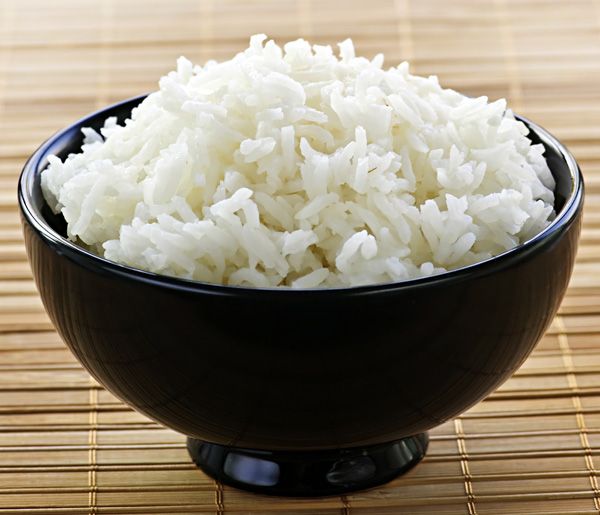
Finally, carefully remove the lid. Use a fork to gently fluff the rice. This separates the grains and releases any remaining steam. Your perfectly cooked, fluffy rice is now ready to serve!
Small tip: Fluffing with a fork rather than a spoon helps keep the grains separate and intact.
Tips & Variations
- Gluten-Free Option: Rice is naturally gluten-free, making this recipe a fantastic choice for those with gluten sensitivities or celiac disease. Enjoy without any modifications!
- Vegan/Vegetarian Option: To make this dish completely vegan, simply omit the butter and use olive oil or another plant-based oil instead. The rice will still be wonderfully fluffy and delicious.
- Add More Vegetables or Protein: Cooked rice is a fantastic base. Stir in steamed vegetables like peas, carrots, or corn after fluffing. For added protein, mix in cooked lentils, chickpeas, or shredded chicken to create a more substantial meal.
- Spicy Version: For a little kick, add a pinch of red pepper flakes or a small diced jalapeño to the pot along with the water and salt before cooking. You can also drizzle with a touch of chili oil when serving.
- Herb Infusion: Add fresh herbs like a sprig of rosemary, thyme, or a bay leaf to the pot during cooking for an aromatic twist. Remove them before serving. You can also stir in chopped fresh parsley or cilantro after fluffing.
- Different Rice Types: This method works well for most long-grain white rice. For brown rice, you’ll need more water (usually 1 cup rice to 2.5 cups water) and a longer cooking time (around 40-45 minutes simmer, plus 10-15 minutes rest). Always check package instructions for specific variations.
Nutritional Information
Approximate values per serving (based on 4 servings):
- Calories: 160 kcal
- Protein: 3g
- Carbohydrates: 35g
- Fat: 0.5g (without butter/oil) – add 2.5g if using 1 tbsp butter/oil
Please note: These values are approximate and may vary depending on the exact ingredients used and portion sizes.
Health Benefits
Rice, particularly white rice when consumed in moderation, offers several health benefits as a staple food.
It is primarily a source of carbohydrates, which are the body’s main fuel. This provides quick and sustained energy, making it an excellent food for active individuals or as part of a balanced meal to keep you feeling energized throughout the day.
White rice is naturally gluten-free, making it a safe and versatile option for individuals with celiac disease or gluten sensitivity. It’s a great alternative to wheat-based grains in a variety of dishes.
While some nutrients are lost during the milling process, many white rice varieties are enriched with B vitamins (like thiamine, niacin, and folic acid) and iron. These nutrients are crucial for energy metabolism, nerve function, and red blood cell formation.
Rice is also low in fat and cholesterol, contributing to a heart-healthy diet. When paired with lean proteins and plenty of vegetables, it forms a well-rounded and nutritious meal foundation.
Serving Suggestions
- Perfect Side Dish: Serve this fluffy rice alongside your favorite curries, stir-fries, grilled chicken, fish, or beef. It’s also wonderful with stews and braised dishes, soaking up all the delicious sauces.
- Meal Prep Powerhouse: Cook a larger batch of rice at the beginning of the week. Portion it out for quick lunches and dinners. It’s a fantastic base for grain bowls, salads, or as a side for prepped proteins and veggies.
- Breakfast Bowl Base: Believe it or not, plain rice can be a delicious breakfast! Top it with fresh fruit, a drizzle of honey or maple syrup, and a sprinkle of cinnamon for a warm, comforting start to your day.
- Stuffed Peppers or Burritos: Use leftover rice as a filling for stuffed bell peppers, burritos, or lettuce wraps. It adds substance and a lovely texture to these dishes.
Storage Tips
Cooked rice should be cooled quickly and stored properly to maintain freshness and safety. Transfer any leftover rice to an airtight container. It will keep well in the refrigerator for up to 3-4 days. Yes, you can freeze cooked rice! Spread it in a single layer on a baking sheet to cool completely, then transfer to freezer-safe bags or containers. It will last for up to 1 month. To reheat, sprinkle a tablespoon or two of water over the rice, cover, and microwave for 1-2 minutes, or warm on the stovetop over low heat until heated through and fluffy.
Conclusion
And there you have it! The secret to perfectly fluffy, non-sticky rice, and a definitive answer to the rinsing debate (it’s often a personal preference, but can improve texture!). This simple staple is incredibly versatile and forms the backbone of countless delicious meals. Mastering this basic technique will elevate your home cooking and give you confidence in the kitchen.
Don’t be afraid to experiment with different types of rice or add your own flavor twists. Once you’ve got this basic recipe down, the culinary possibilities are endless. It’s amazing how a few simple steps can lead to such a satisfying result.
So, go ahead, try making this perfect pot of rice tonight. Share it with your family and friends, and watch as they enjoy every fluffy, flavorful grain. Happy cooking!


