
Introduction
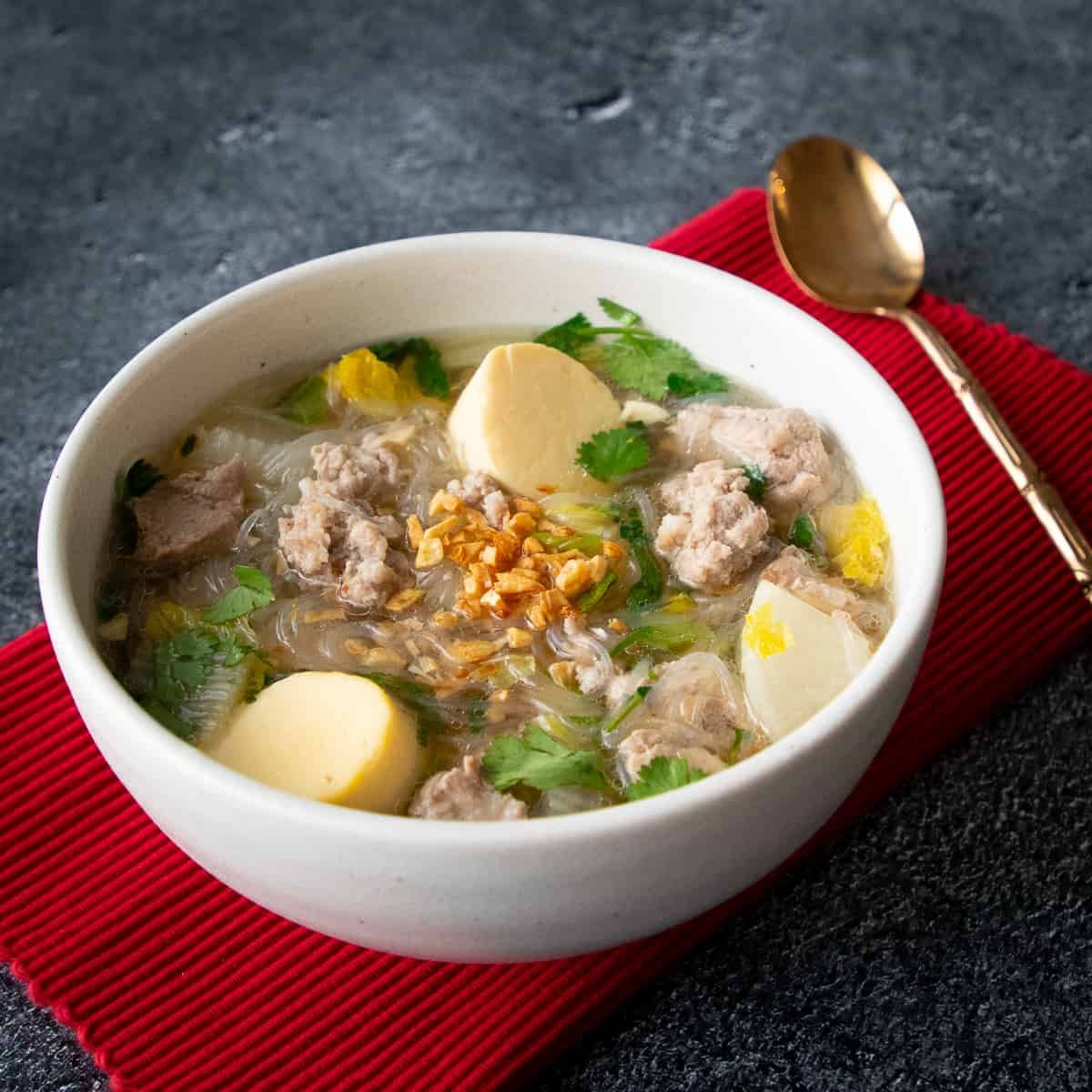
There’s nothing quite like a warm, comforting bowl of soup on a chilly winter day. Our “Tasty Korean Winter Soup” is exactly that – a hug in a bowl! It’s packed with savory flavors, tender vegetables, and a delightful hint of spice. This soup is deeply satisfying and truly special, bringing a taste of Korean home cooking right to your table.
You might think making a flavorful Korean soup is complicated, but this recipe proves otherwise. It’s surprisingly easy to prepare, even for beginners. We use simple ingredients found at most grocery stores and straightforward steps. You can have this hearty meal ready in under an hour, making it perfect for busy weeknights or a cozy weekend treat.
So, get ready to warm your soul and tantalize your taste buds! This “Tasty Korean Winter Soup” is about to become your new favorite. Gather your ingredients, follow along, and prepare to enjoy a truly delicious and wholesome meal. You absolutely have to try it!
Cooking Time & Prep Time
- Prep Time: 25 minutes
- Cooking Time: 35 minutes
- Total Time: 60 minutes
Small tip: To make your cooking process super smooth, chop all your vegetables and measure out your seasonings before you even start heating the pot. This is called “mise en place” and it makes a huge difference!
Ingredients
This recipe makes 4 generous servings.
For the Soup Base
- 6 cups (1.5 liters) vegetable or chicken broth
- 1 tablespoon sesame oil
- 4 cloves garlic, minced
- 1-inch piece fresh ginger, grated
- 1 medium daikon radish, peeled and sliced into ½-inch half-moons
- 4 oz (115g) shiitake mushrooms, stemmed and sliced
- 4 oz (115g) oyster mushrooms, torn into bite-sized pieces
- ½ head napa cabbage, roughly chopped
- 1 block (14 oz / 400g) firm or extra-firm tofu, drained and cut into 1-inch cubes
- 2 green onions, sliced (separate white and green parts)
For the Flavor Paste
- 2 tablespoons gochujang (Korean chili paste)
- 1 tablespoon gochugaru (Korean chili flakes), adjust to taste
- 2 tablespoons soy sauce (or tamari for gluten-free)
- 1 tablespoon rice vinegar
- 1 teaspoon sugar
Optional Add-ins
- 8 oz (225g) thinly sliced beef (e.g., bulgogi cut) or pork belly
For the Garnish
- 1 tablespoon sesame seeds
- Remaining green onion greens, thinly sliced
Step-by-Step Instructions
-
Step 1: Prepare the Vegetables and Tofu
Start by preparing all your fresh ingredients. Peel and slice the daikon radish into half-moon shapes. Stem and slice the shiitake mushrooms, and tear the oyster mushrooms into smaller pieces. Roughly chop the napa cabbage and cut the tofu into neat 1-inch cubes. Slice your green onions, keeping the white and green parts separate.
Small tip: Pat your tofu dry with paper towels before cutting. This helps it absorb more flavor from the broth.
-
Step 2: Mix the Flavor Paste
In a small bowl, combine the gochujang, gochugaru, soy sauce, rice vinegar, and sugar. Mix everything thoroughly until you have a smooth paste. This is where a lot of the delicious Korean flavor comes from!
Small tip: Taste the paste at this stage and adjust the gochugaru if you prefer more or less spice.
-
Step 3: Sauté Aromatics (and Meat, if using)
Heat the sesame oil in a large pot or Dutch oven over medium heat. Add the minced garlic, grated ginger, and the white parts of the sliced green onions. Sauté for about 1-2 minutes until fragrant.
If you’re adding meat, now is the time to do it. Add the thinly sliced beef or pork belly to the pot and cook until it’s just browned, breaking it apart as it cooks. Remove the meat from the pot and set aside, leaving any rendered fat.
-
Step 4: Build the Soup Base
Pour the vegetable or chicken broth into the pot. Add the sliced daikon radish and the prepared flavor paste. Stir well to dissolve the paste into the broth. Bring the mixture to a gentle boil, then reduce the heat to a simmer.
Small tip: Make sure the paste is fully incorporated into the broth to ensure even flavoring throughout the soup.
-
Step 5: Add Remaining Vegetables and Tofu
Let the soup simmer for about 10-15 minutes, or until the daikon radish is starting to become tender. Then, add both types of mushrooms and the chopped napa cabbage to the pot. Continue to simmer for another 5-7 minutes, until the cabbage has softened.
Gently add the tofu cubes to the soup. If you cooked meat earlier, return it to the pot now. Simmer for another 5 minutes to allow the tofu to warm through and absorb the flavors.
-
Step 6: Final Seasoning and Garnish
Taste the soup and adjust the seasoning if needed. You might want a little more soy sauce for saltiness or a pinch more sugar for balance. Ladle the hot soup into individual bowls. Garnish each serving with a sprinkle of sesame seeds and the green parts of the sliced green onions. Serve immediately and enjoy!
Tips & Variations
- Gluten-Free Option: Simply swap out regular soy sauce for tamari or a certified gluten-free soy sauce in the flavor paste. Most other ingredients are naturally gluten-free.
- Vegan or Vegetarian Option: This soup is easily made vegan! Omit the optional meat and ensure you use vegetable broth. You can add extra mushrooms, more tofu, or even some rehydrated dried shiitake mushrooms for an extra umami boost.
- Add More Vegetables or Protein: Feel free to customize! Other great additions include spinach (stir in at the very end), zucchini slices, bean sprouts, or even a poached or soft-boiled egg added to each serving. Cooked chicken breast or shrimp would also be delicious.
- Spicy Version: If you love heat, increase the amount of gochugaru in the flavor paste. You can also add a few fresh sliced red chilies (like Korean Cheongyang peppers or serranos) to the pot during the last few minutes of simmering.
- Extra Flavor Boost: For an even deeper, more complex flavor, add 1 tablespoon of doenjang (Korean fermented soybean paste) along with the gochujang. It adds a wonderful savory depth.
Nutritional Information
Approximate values per serving (based on 4 servings, with beef):
- Calories: 380-420 kcal
- Protein: 28-32g
- Carbohydrates: 25-30g
- Fat: 18-22g
Please note: These values are approximate and may vary depending on the specific brands and amounts of ingredients used, especially if you add or omit optional components like meat.
Health Benefits
This “Tasty Korean Winter Soup” is not just delicious; it’s packed with wonderful health benefits too! It’s a truly nourishing meal that supports your well-being.
Tofu is a fantastic plant-based protein source. It’s low in calories and fat, and rich in essential amino acids. It also provides important minerals like calcium and iron, contributing to strong bones and healthy blood.
The mushrooms in this soup, especially shiitake, are powerhouses of nutrition. They contain B vitamins, which are crucial for energy production, and powerful antioxidants. Mushrooms are also known for their immune-boosting properties, helping your body fight off illness.
Daikon radish and napa cabbage are excellent sources of vitamins and fiber. Daikon is particularly high in Vitamin C, which supports immune function, and digestive enzymes. Napa cabbage provides Vitamin K, Vitamin C, and plenty of dietary fiber, aiding in digestion and overall gut health.
Garlic and ginger aren’t just for flavor; they’re medicinal wonders! Both are renowned for their anti-inflammatory and antioxidant properties. They can help boost your immune system and may even contribute to heart health. Gochujang and gochugaru also offer capsaicin, which can temporarily boost metabolism and provide pain relief.
Serving Suggestions
- Classic Pairing: Serve this hearty soup with a bowl of warm, fluffy steamed white or brown rice. The rice soaks up the delicious broth beautifully.
- Korean Side Dishes: Elevate your meal by serving it alongside traditional Korean banchan (side dishes) like kimchi, pickled radishes, or seasoned spinach.
- Main or Side: This soup is substantial enough to be a complete main course on its own, especially with the optional meat. It can also be a warming and flavorful side dish if you’re serving a larger Korean feast.
- Meal Prep Idea: Prepare a big batch of the broth and vegetables (excluding tofu) at the beginning of the week. Store it in containers. When ready to eat, simply reheat, add fresh tofu, and simmer for a few minutes.
Storage Tips
Leftover soup can be stored in an airtight container in the refrigerator for up to 3-4 days. It tastes even better the next day as the flavors meld together! While you can freeze the soup, the texture of the tofu might become a bit spongy after thawing. If you plan to freeze, it’s best to omit the tofu and add it fresh when reheating. To reheat, gently warm on the stovetop over medium heat until simmering, or microwave in individual portions.
Conclusion
And there you have it – your very own bowl of “Tasty Korean Winter Soup”! This dish truly embodies everything you want in a winter meal: warmth, comfort, and incredible flavor. It’s savory, a little spicy, and brimming with wholesome ingredients that make you feel good from the inside out.
Don’t hesitate to make this fantastic soup. It’s a straightforward recipe that yields impressive results, perfect for chasing away the cold or simply enjoying a delicious, nourishing dinner. You’ll be amazed at how quickly it comes together and how satisfying it is.
So go ahead, whip up a batch of this wonderful Korean soup. Share it with your family and friends, or keep it all to yourself for a few days of cozy meals. It’s a recipe you’ll want to revisit again and again throughout the colder months. Happy cooking!


