
Introduction
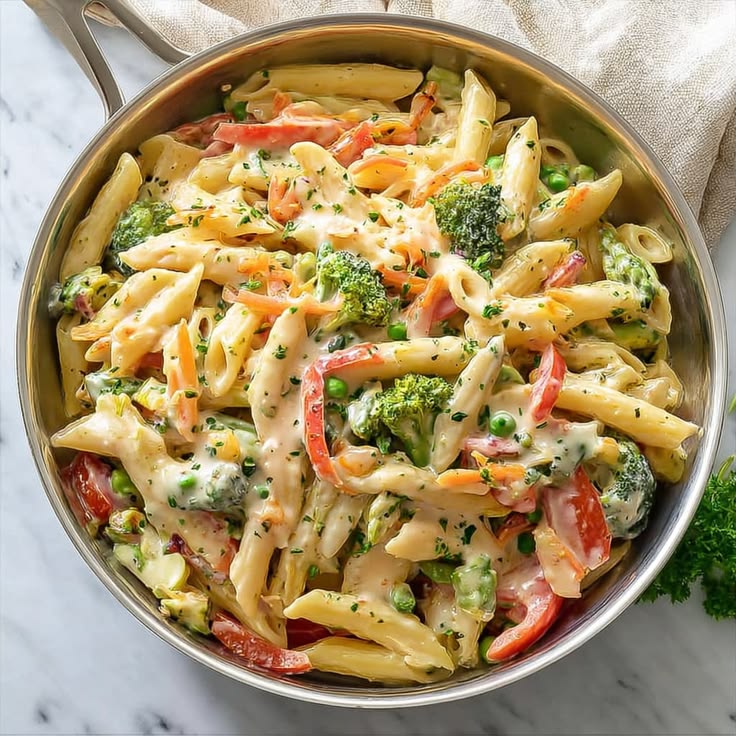
Get ready to brighten your plate and delight your taste buds with Pasta Primavera! This dish is a true celebration of fresh, vibrant vegetables, perfectly tossed with tender pasta in a light, zesty sauce. “Primavera” means “spring” in Italian, and this recipe absolutely captures the essence of the season with its colorful array of garden-fresh ingredients. It’s incredibly flavorful, wonderfully satisfying, and feels like a breath of fresh air on your dinner table.
What makes Pasta Primavera so special is its simplicity and versatility. It’s not just delicious; it’s also incredibly easy and quick to make, perfect for those busy weeknights or when you want a wholesome meal without spending hours in the kitchen. Most of the cooking involves a quick sauté of your favorite vegetables, which keeps them tender-crisp and bursting with natural goodness. The sauce comes together effortlessly with just a few simple pantry staples.
So, if you’re looking for a meal that’s both healthy and incredibly tasty, look no further. Pasta Primavera is a fantastic way to enjoy a rainbow of vegetables, and we promise it will become a new favorite in your cooking repertoire. Let’s dive in and create some magic together!
Cooking Time & Prep Time
- Prep Time: 25 minutes
- Cooking Time: 20 minutes
- Total Time: 45 minutes
Small tip: Chop all your vegetables before you start cooking the pasta. This is called “mise en place” and it makes the cooking process much smoother and more enjoyable!
Ingredients
This recipe makes 4 servings.
For the Pasta
- 12 ounces (about 340g) penne, fusilli, or your favorite short pasta
- 1 tablespoon olive oil (for pasta water)
- Salt, to taste (for pasta water)
For the Vegetables
- 2 tablespoons extra virgin olive oil
- 3 cloves garlic, minced
- 1 head broccoli, cut into small florets
- 1 red bell pepper, cored, seeded, and thinly sliced
- 1 yellow bell pepper, cored, seeded, and thinly sliced
- 6 ounces (about 170g) asparagus, tough ends trimmed and cut into 1-inch pieces
- 1 medium zucchini, quartered lengthwise and then sliced
- 1 pint (about 2 cups) cherry tomatoes, halved
- 1 cup frozen peas, thawed
- 3 cups fresh spinach
For the Sauce & Seasoning
- 1/2 cup reserved pasta water
- 1/4 cup fresh lemon juice (from about 1 large lemon)
- 1/4 cup grated Parmesan cheese, plus more for serving
- 1/2 teaspoon red pepper flakes (optional, for a little kick)
- Salt and freshly ground black pepper, to taste
For the Garnish
- 2 tablespoons fresh parsley, chopped
- Extra grated Parmesan cheese
Step-by-Step Instructions
-
Step 1: Prepare Your Veggies and Pasta Water
Start by preparing all your vegetables. Wash and chop the broccoli, bell peppers, asparagus, zucchini, cherry tomatoes, and thaw the peas. Mince your garlic. Get a large pot of salted water boiling for the pasta. Add 1 tablespoon of olive oil to the pasta water to help prevent sticking and add flavor.
Small tip: Having everything ready before you start cooking helps ensure a smooth, stress-free process.
-
Step 2: Cook the Pasta
Once the water is boiling, add the pasta and cook according to package directions until al dente. This means it should be tender but still have a slight bite. Before draining, make sure to scoop out and reserve about 1 cup of the starchy pasta water. This water is essential for creating a silky sauce.
Small tip: Al dente pasta holds up best in this dish and prevents it from becoming mushy when tossed with the vegetables.
-
Step 3: Sauté the Aromatics
While the pasta cooks, heat 2 tablespoons of olive oil in a large skillet or Dutch oven over medium heat. Add the minced garlic and red pepper flakes (if using). Sauté for about 30 seconds until fragrant, being careful not to burn the garlic.
Small tip: Garlic burns quickly, so keep an eye on it and stir constantly.
-
Step 4: Cook the Harder Vegetables
Add the broccoli florets and sliced bell peppers to the skillet. Cook for 4-5 minutes, stirring occasionally, until they start to become tender-crisp. Next, add the asparagus pieces and cook for another 2-3 minutes until they are bright green and slightly tender.
Small tip: Cook vegetables in stages based on how long they take to soften. This ensures everything is perfectly cooked.
-
Step 5: Add the Softer Vegetables
Stir in the sliced zucchini and halved cherry tomatoes. Cook for another 2-3 minutes, just until the zucchini softens slightly and the tomatoes begin to burst. Finally, add the thawed peas and fresh spinach. Cook for 1-2 minutes, stirring until the spinach wilts completely.
Small tip: Don’t overcrowd your pan. If you have too many vegetables, cook them in two batches to ensure they sauté rather than steam.
-
Step 6: Build the Sauce
Once the vegetables are cooked to your liking, pour in the fresh lemon juice and 1/2 cup of the reserved pasta water. Stir well to combine, scraping up any delicious browned bits from the bottom of the pan. The pasta water helps create a light, emulsified sauce that coats everything beautifully.
Small tip: If your sauce seems too thick, add another splash of pasta water until it reaches your desired consistency.
-
Step 7: Combine Everything
Drain the cooked pasta and add it directly to the skillet with the vegetables and sauce. Add the grated Parmesan cheese. Toss everything together vigorously for 1-2 minutes, ensuring the pasta is well coated and the cheese melts into the sauce.
Small tip: Tossing the pasta in the pan helps the pasta absorb the flavors of the sauce and vegetables.
-
Step 8: Season and Serve
Taste the pasta and adjust seasoning with salt and freshly ground black pepper as needed. You might need a bit more salt, especially if your pasta water wasn’t heavily salted. Garnish generously with fresh chopped parsley and extra grated Parmesan cheese. Serve immediately and enjoy your vibrant Pasta Primavera!
Small tip: Fresh herbs really elevate the flavor and presentation of this dish. Don’t skip them!
Tips & Variations
- Gluten-Free Option: Easily make this dish gluten-free by using your favorite gluten-free pasta. The rest of the ingredients are naturally gluten-free!
- Vegan or Vegetarian Option: To make it vegan, simply omit the Parmesan cheese. You can substitute it with nutritional yeast for a cheesy flavor, or a high-quality vegan Parmesan alternative. The dish is already naturally vegetarian.
- Add More Vegetables or Protein: Feel free to customize with your favorite veggies! Mushrooms, sliced carrots, snap peas, or even roasted eggplant would be delicious additions. For added protein, toss in grilled chicken, shrimp, cannellini beans, or chickpeas at the end.
- Spicy Version: If you love heat, increase the amount of red pepper flakes to 1 teaspoon or more. You could also add a finely diced jalapeño or serrano pepper to the skillet with the garlic.
- Creamy Primavera: For a richer sauce, stir in 1/4 cup of heavy cream or a splash of milk (dairy or non-dairy) along with the lemon juice and pasta water. This will add a lovely creaminess without being too heavy.
- Herb Variations: Experiment with different fresh herbs! Fresh basil, oregano, or thyme would also complement the vegetables beautifully. Add them in the last minute of cooking or as a garnish.
Nutritional Information
Approximate values per serving (based on 4 servings):
- Calories: 580
- Protein: 22g
- Carbohydrates: 85g
- Fat: 18g
Please note: These values are approximate and may vary depending on the specific brands and quantities of ingredients used.
Health Benefits
Pasta Primavera is not just delicious; it’s packed with goodness! The star of this dish is undoubtedly the abundance of fresh vegetables, each bringing its own set of health benefits to your plate.
Broccoli and Spinach: These leafy greens are powerhouse vegetables. Broccoli is an excellent source of Vitamin C, Vitamin K, and fiber, which supports digestion and immune health. Spinach is rich in iron, Vitamin A, Vitamin K, and antioxidants, contributing to bone health and vision.
Bell Peppers and Cherry Tomatoes: Vibrant bell peppers are loaded with Vitamin C, providing a significant boost to your immune system, and Vitamin A, essential for eye health. Cherry tomatoes are a fantastic source of lycopene, a powerful antioxidant known for its potential heart health benefits, as well as Vitamin C and potassium.
Asparagus and Zucchini: Asparagus is a good source of folate, Vitamin K, and antioxidants, which can help with cell growth and blood clotting. Zucchini is low in calories but high in water content and fiber, making it great for hydration and digestion. Both contribute essential vitamins and minerals without adding heavy calories.
Olive Oil: The extra virgin olive oil used in the sauce provides healthy monounsaturated fats, which are known to support heart health and reduce inflammation. It also helps in the absorption of fat-soluble vitamins found in the vegetables.
Overall, this dish is a fantastic way to increase your daily intake of fiber, vitamins, and minerals. It’s a balanced meal that offers sustained energy from the pasta, along with the protective benefits of numerous antioxidants and phytonutrients from the fresh produce.
Serving Suggestions
- Classic Pairing: Serve your Pasta Primavera with a simple side salad dressed with a light vinaigrette and a slice of warm, crusty garlic bread to sop up all the delicious sauce.
- As a Main Dish: This dish is hearty enough to be a complete meal on its own, thanks to the pasta and generous amount of vegetables. It’s perfect for a satisfying weeknight dinner.


