
Introduction
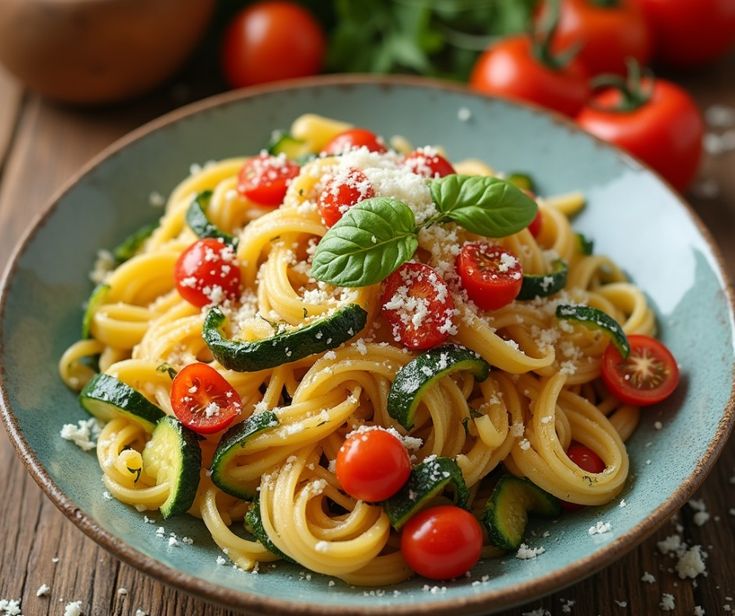
Get ready to brighten your plate with a burst of color and fresh flavors! Our Pasta Primavera with Fresh Veggies is a celebration of spring and summer produce. It’s a truly delightful dish that tastes like sunshine, combining tender pasta with a medley of vibrant, crisp-tender vegetables in a light, zesty sauce.
What makes this recipe truly special is how it lets the natural sweetness and texture of each vegetable shine. It’s incredibly adaptable, making it perfect for using whatever fresh produce you have on hand. Plus, it’s surprisingly quick to pull together, proving that healthy and delicious meals don’t need to be complicated.
Whether you’re looking for a speedy weeknight dinner or a lovely dish to share with loved ones, this Pasta Primavera is sure to become a new favorite. So, roll up your sleeves and let’s bring some garden-fresh goodness to your table!
Cooking Time & Prep Time
- Prep Time: 20 minutes
- Cooking Time: 20 minutes
- Total Time: 40 minutes
Small tip: To save time, chop your harder vegetables like broccoli and carrots while the pasta water comes to a boil.
Ingredients
This recipe makes 4 generous servings.
For the Pasta
- 12 ounces (about 340g) short pasta, such as penne, fusilli, or farfalle
- 1 tablespoon olive oil (for pasta water, optional)
- Salt for pasta water
For the Vegetables & Sauce Base
- 2 tablespoons olive oil, divided
- 1 small yellow onion, finely diced
- 3 cloves garlic, minced
- 1 cup broccoli florets, cut into small pieces
- 1 cup asparagus, tough ends trimmed, cut into 1-inch pieces
- 1 red bell pepper, cored, seeded, and diced
- 1 zucchini, halved lengthwise and sliced into half-moons
- 1 cup cherry tomatoes, halved
- 1/2 cup frozen peas, thawed
- 2 cups fresh spinach
- 1/2 cup vegetable broth (or pasta water)
- Juice of 1 large lemon
- 1/4 teaspoon red pepper flakes (optional, for a little kick)
- Salt and freshly ground black pepper to taste
For the Garnish (Optional)
- 1/4 cup freshly grated Parmesan cheese
- 2 tablespoons fresh basil, chopped
- 2 tablespoons fresh parsley, chopped
Step-by-Step Instructions
-
Step 1: Cook the Pasta
Bring a large pot of salted water to a rolling boil. Add the pasta and cook according to package directions until al dente. Reserve about 1 cup of the starchy pasta water before draining. Drizzle the drained pasta with a little olive oil to prevent sticking and set aside.
Small tip: Reserving pasta water is key! It helps create a silky, emulsified sauce.
-
Step 2: Sauté the Aromatics
While the pasta cooks, heat 1 tablespoon of olive oil in a large skillet or Dutch oven over medium heat. Add the diced onion and cook for 3-4 minutes until softened and translucent. Stir in the minced garlic and red pepper flakes (if using), cooking for another minute until fragrant. Be careful not to burn the garlic.
-
Step 3: Add the Harder Vegetables
Add the broccoli florets, asparagus pieces, and diced red bell pepper to the skillet. Cook for 5-7 minutes, stirring occasionally, until the vegetables are crisp-tender. They should still have a slight bite to them.
Small tip: Cut your vegetables into similar sizes so they cook evenly.
-
Step 4: Incorporate Softer Vegetables
Next, add the sliced zucchini and halved cherry tomatoes to the skillet. Continue to cook for another 3-4 minutes, stirring gently, until the zucchini is tender-crisp and the tomatoes begin to soften slightly.
-
Step 5: Create the Sauce
Pour in the vegetable broth (or reserved pasta water) and the fresh lemon juice. Stir well, scraping up any browned bits from the bottom of the pan. Bring the mixture to a gentle simmer. Season generously with salt and freshly ground black pepper.
-
Step 6: Finish with Greens and Peas
Add the fresh spinach and thawed frozen peas to the skillet. Cook for 1-2 minutes, stirring gently, until the spinach wilts down. The residual heat will warm the peas perfectly.
Small tip: Don’t overcook the spinach; it wilts very quickly.
-
Step 7: Combine and Serve
Add the cooked and drained pasta to the skillet with the vegetables and sauce. Toss everything together until the pasta is well coated. If the sauce seems too thick, add a splash more reserved pasta water until it reaches your desired consistency. Taste and adjust seasoning if needed.
-
Step 8: Garnish and Enjoy
Divide the Pasta Primavera among serving bowls. Sprinkle with fresh Parmesan cheese, chopped basil, and parsley, if desired. Serve immediately and savor the fresh, vibrant flavors!
Tips & Variations
- Gluten-Free Option: Easily make this dish gluten-free by simply using your favorite gluten-free pasta. The rest of the ingredients are naturally gluten-free!
- Vegan & Vegetarian Option: This recipe is already vegetarian. To make it completely vegan, simply omit the Parmesan cheese or use a plant-based Parmesan alternative. Nutritional yeast can also add a cheesy flavor.
- Add More Vegetables or Protein: Feel free to customize with more seasonal veggies like sliced mushrooms, thinly sliced carrots, or snap peas. For added protein, stir in cooked chicken, shrimp, cannellini beans, or chickpeas at the very end.
- Spicy Version: If you love heat, increase the red pepper flakes to 1/2 teaspoon or more, or add a finely diced fresh jalapeño or serrano pepper when sautéing the aromatics.
- Creamy or Herby Twist: For a slightly creamier sauce, stir in a tablespoon of cream cheese or a splash of heavy cream at the end. For an extra herby kick, add a spoonful of pesto or a mix of fresh oregano and thyme.
Nutritional Information
Approximate values per serving (based on 4 servings):
- Calories: 450 kcal
- Protein: 18g
- Carbohydrates: 65g
- Fat: 13g
Note: These values are approximate and may vary depending on specific brands and exact ingredient amounts used.
Health Benefits
This Pasta Primavera is not just delicious; it’s packed with goodness from all those fresh vegetables!
The star of the show, the fresh vegetables, provide an abundance of vitamins and minerals. Broccoli and spinach are excellent sources of Vitamin K, which is vital for bone health, and Vitamin C, a powerful antioxidant that supports your immune system. Asparagus adds folate, important for cell growth, while bell peppers are loaded with Vitamin A and more Vitamin C.
Zucchini and cherry tomatoes contribute dietary fiber, aiding in healthy digestion and keeping you feeling full. They also provide antioxidants like lycopene (in tomatoes), which can help protect your cells from damage.
Even the olive oil used in the sauce brings health benefits. It’s a source of monounsaturated fats, known for their heart-healthy properties and ability to help reduce bad cholesterol levels. This dish truly is a nutrient-dense meal!
Serving Suggestions
- As a Main Dish: This Pasta Primavera is hearty enough to be a complete meal on its own, offering a perfect balance of carbs, protein (especially with Parmesan), and a ton of veggies.
- With a Side Salad: Complement the dish with a simple green salad dressed with a light vinaigrette to add even more fresh greens and crunch.
- Crusty Bread: Serve with a side of warm, crusty bread to soak up all the delicious, light sauce.
- Add Protein: For a more substantial meal, serve alongside grilled chicken breast, baked salmon, or seared shrimp.
- Meal Prep Idea: Cook the pasta and vegetables separately. Store them in airtight containers and combine with the sauce just before reheating to maintain the best texture.
Storage Tips
Leftover Pasta Primavera can be stored in an airtight container in the refrigerator for up to 3-4 days. While it’s best enjoyed fresh, it makes for a fantastic lunch the next day. Freezing is not recommended for this dish, as the vegetables can become mushy upon thawing. To reheat, gently warm in a skillet over medium-low heat, adding a splash of vegetable broth or water to loosen the sauce if needed. You can also microwave it in short bursts, stirring occasionally.
Conclusion
There you have it – a truly wonderful Pasta Primavera with Fresh Veggies that is as beautiful to look at as it is delicious to eat. It’s a testament to the idea that simple, fresh ingredients can create the most satisfying and flavorful meals. This dish is quick, versatile, and bursting with vibrant, wholesome goodness.
We absolutely encourage you to give this recipe a try. Play around with your favorite seasonal vegetables, adjust the seasonings to your liking, and make it your own. You’ll be amazed at how easily you can bring such a fresh, restaurant-quality meal to your table.
So, gather your ingredients, follow these easy steps, and enjoy the delightful experience of cooking and sharing this Pasta Primavera. It’s perfect for a cozy family dinner or a light, refreshing meal with friends. Happy cooking!


