
Introduction
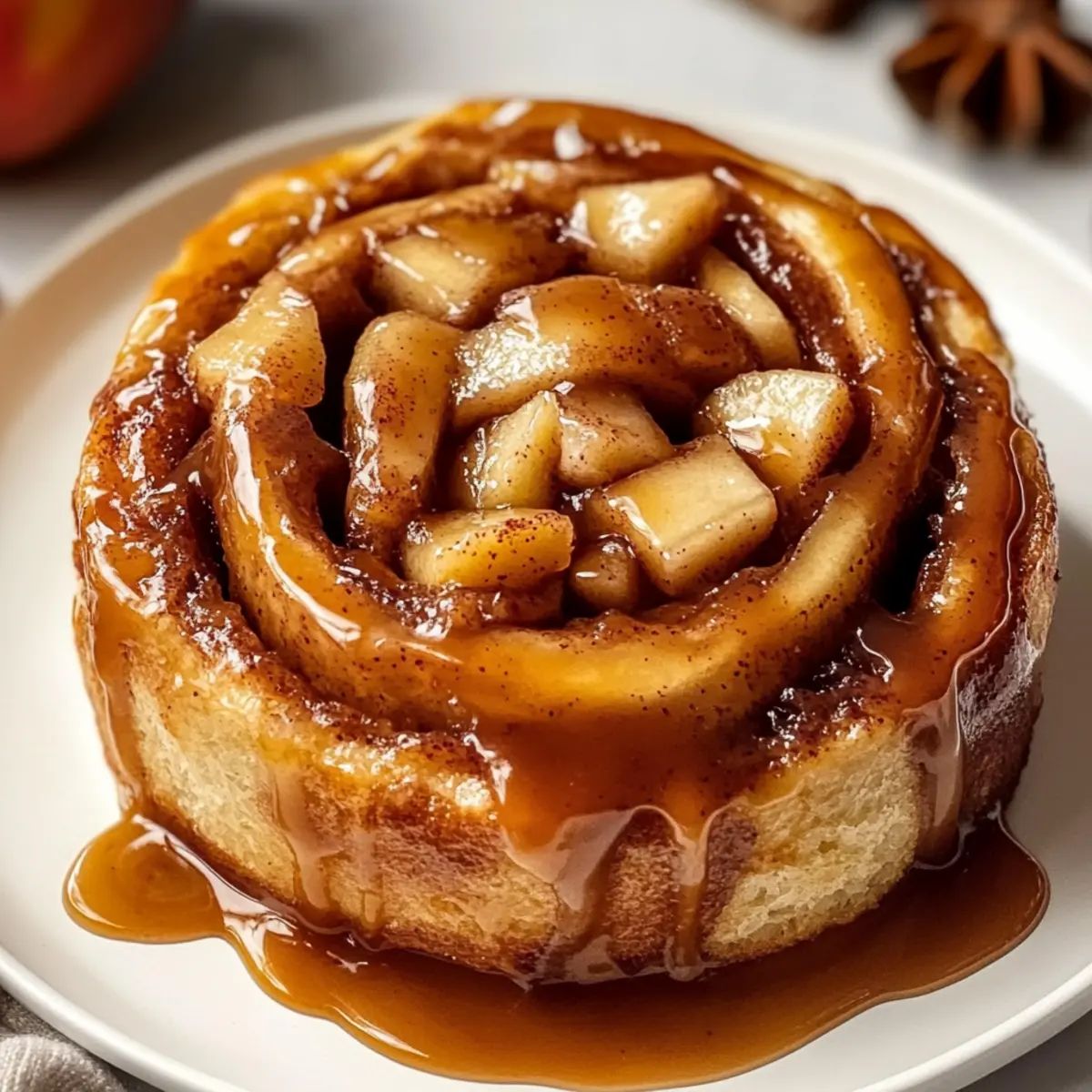
Imagine waking up to the irresistible aroma of warm, sweet cinnamon filling your home. That’s the magic of homemade cinnamon rolls! These delightful pastries are a true comfort food, with their soft, fluffy dough, rich cinnamon-sugar swirl, and luscious cream cheese frosting. Each bite is a heavenly blend of sweet spice and tender texture that simply melts in your mouth.
Many people think cinnamon rolls are complicated to make, but I promise they are easier than you might think. The process involves a few simple steps, and while there’s some waiting for the dough to rise, the active preparation time is surprisingly quick. The reward for your effort is a batch of rolls far superior to anything store-bought, made with love right in your own kitchen.
So, get ready to roll up your sleeves and create something truly special. This recipe will guide you through every step, ensuring a successful and delicious outcome. You’ll be amazed at how simple it is to bring this bakery-worthy treat to life. Let’s bake some happiness!
Cooking Time & Prep Time
- Active Prep Time: 45 minutes
- Cooking Time: 25 minutes
- Total Active Time: 70 minutes
Small tip: Remember to factor in dough rising time, which adds an extra 1.5 to 2.5 hours of inactive waiting. This is crucial for fluffy rolls!
Ingredients
Makes 12 servings
For the Dough
- 1 cup (240ml) warm milk (105-115°F / 40-46°C)
- 2 ¼ teaspoons (1 packet) active dry yeast
- ¼ cup (50g) granulated sugar
- 1 large egg, at room temperature
- ¼ cup (56g) unsalted butter, melted
- ½ teaspoon salt
- 3 cups (360g) all-purpose flour, plus more for dusting
For the Filling
- ½ cup (113g) unsalted butter, softened
- ¾ cup (150g) packed light brown sugar
- 1 tablespoon ground cinnamon
For the Cream Cheese Frosting
- 4 ounces (113g) cream cheese, softened
- ¼ cup (56g) unsalted butter, softened
- 1 ½ cups (180g) powdered sugar
- ½ teaspoon vanilla extract
- 1-2 tablespoons milk or cream, as needed
Step-by-Step Instructions
-
Step 1: Activate the Yeast
In a large bowl, combine the warm milk, yeast, and granulated sugar. Stir gently and let it sit for 5-10 minutes until the mixture becomes foamy. This shows your yeast is active and ready to work.
Small tip: Ensure your milk is not too hot, or it will kill the yeast. It should feel comfortably warm to the touch.
-
Step 2: Mix the Dough
Add the egg, melted butter, and salt to the foamy yeast mixture. Stir well to combine these wet ingredients. Gradually add the all-purpose flour, one cup at a time, mixing until a shaggy dough forms.
Small tip: Don’t add all the flour at once. You might need slightly more or less depending on humidity.
-
Step 3: Knead the Dough
Turn the dough out onto a lightly floured surface. Knead for 5-7 minutes until the dough is smooth, elastic, and no longer sticky. It should spring back slowly when poked.
Small tip: If the dough is too sticky, add a tiny bit more flour. If it’s too stiff, a drop of milk can help.
-
Step 4: First Rise
Lightly grease a clean bowl with oil. Place the dough in the bowl, turning once to coat. Cover the bowl with plastic wrap or a clean kitchen towel. Let the dough rise in a warm place for 1 to 1.5 hours, or until it has doubled in size.
Small tip: A slightly warm oven (turned off!) or a sunny spot on your counter works perfectly for rising dough.
-
Step 5: Prepare the Filling
While the dough is rising, prepare the cinnamon filling. In a small bowl, combine the softened butter, brown sugar, and ground cinnamon. Mix until it forms a smooth, spreadable paste.
Small tip: Make sure your butter is truly softened, not melted, for the best consistency.
-
Step 6: Roll the Dough
Once the dough has doubled, punch it down gently to release the air. Turn it out onto a lightly floured surface. Use a rolling pin to roll the dough into a large rectangle, approximately 12×18 inches.
Small tip: Try to roll the dough evenly so your rolls are consistent in size and bake uniformly.
-
Step 7: Spread the Filling
Evenly spread the cinnamon filling over the entire surface of the rolled-out dough, leaving a small ½-inch border along one of the longer edges. This makes sealing the roll easier.
Small tip: Use an offset spatula or the back of a spoon to spread the filling right to the edges.
-
Step 8: Roll into a Log
Starting from the long edge opposite the clean border, tightly roll the dough into a log. Be firm but gentle to ensure a compact roll without tearing the dough.
Small tip: A tight roll is key to beautiful, swirled cinnamon rolls.
-
Step 9: Slice the Rolls
Using a sharp knife or unflavored dental floss, slice the log into 12 equal pieces, about 1.5 inches thick each. Place the rolls cut-side down into a lightly greased 9×13 inch baking dish.
Small tip: Dental floss makes incredibly clean cuts without squishing the rolls. Slide it under the log, cross the ends over the top, and pull to slice.
-
Step 10: Second Rise
Cover the baking dish loosely with plastic wrap or a kitchen towel. Let the rolls rise in a warm place for another 30-45 minutes, or until they are puffy and nearly touching each other.
Small tip: This second rise is important for extra soft and airy rolls.
-
Step 11: Bake the Rolls
Preheat your oven to 375°F (190°C). Bake the cinnamon rolls for 20-25 minutes, or until they are golden brown on top and cooked through. The exact time may vary with your oven.
Small tip: If the tops brown too quickly, you can loosely tent the dish with foil.
-
Step 12: Make the Frosting
While the rolls are baking or cooling slightly, prepare the cream cheese frosting. In a medium bowl, beat the softened cream cheese and butter together until smooth and creamy. Gradually add the powdered sugar, then mix in the vanilla extract. Add milk or cream, one tablespoon at a time, until the frosting reaches your desired spreadable consistency.
Small tip: Ensure your cream cheese and butter are very soft for a lump-free, smooth frosting.
-
Step 13: Frost and Serve
Once the cinnamon rolls are out of the oven, let them cool in the pan for about 5-10 minutes. Then, generously spread the cream cheese frosting over the warm rolls. Serve immediately and enjoy!
Small tip: Frosting warm rolls allows the glaze to melt slightly, creating a delicious, gooey topping.
Tips & Variations
- Gluten-Free Option: Substitute the all-purpose flour with a 1:1 gluten-free baking flour blend. You might need to add ½ teaspoon of xanthan gum if your blend doesn’t contain it, for better dough structure.
- Vegan Option: Use plant-based milk (like almond or soy), vegan butter sticks for both the dough and filling, and vegan cream cheese for the frosting. Ensure your sugar is bone-char free.
- Add More Flavor/Texture: Mix ½ cup of finely chopped pecans or walnuts into the cinnamon filling for an added crunch and nutty flavor. You could also add 1/4 cup of grated apple for extra moisture and fruitiness.
- Spicy Kick: For a subtle warmth, add a tiny pinch (¼ teaspoon) of cayenne pepper or ground ginger to your cinnamon filling. It creates a surprising and delightful depth of flavor.
- Orange Zest Delight: For a brighter, citrusy note, add 1 tablespoon of fresh orange zest to your dough and another teaspoon to your cream cheese frosting. It pairs beautifully with cinnamon.
Nutritional Information
Approximate values per serving (based on 12 servings):
- Calories: 380 kcal
- Protein: 7g
- Carbohydrates: 55g
- Fat: 18g
Note: Nutritional values may vary depending on specific brands and exact ingredient amounts used.
Health Benefits
While cinnamon rolls are a treat, some of their key ingredients offer wonderful benefits. Let’s look at the star, cinnamon, and others.
Cinnamon is much more than just a spice; it’s a powerhouse of health benefits! It’s rich in antioxidants, which help protect your body from damage caused by free radicals. Studies suggest cinnamon can also have anti-inflammatory properties, helping to reduce inflammation throughout the body.
Beyond its antioxidant power, cinnamon is known for its potential to help regulate blood sugar levels. It may improve insulin sensitivity, making it a beneficial spice for those looking to manage their glucose. A little cinnamon goes a long way in adding flavor and goodness.
Milk, a primary ingredient in the dough, provides essential calcium for strong bones and teeth. It also contains Vitamin D, which is crucial for calcium absorption and immune health. Eggs contribute high-quality protein, important for muscle repair and overall body function, along with various vitamins like B12 and D.
Even though this is a sweet indulgence, enjoying homemade treats in moderation can be part of a balanced lifestyle. The act of baking itself can be therapeutic, and sharing food with loved ones boosts emotional well-being. It’s all about balance and mindful enjoyment!
Serving Suggestions
- Classic Breakfast: Serve warm with a freshly brewed cup of coffee or a soothing mug of tea.
- Brunch Centerpiece: Pair with fresh fruit salad, scrambled eggs, and crispy bacon for a complete and delightful brunch spread.
- Dessert Treat: Enjoy as a sweet ending to any meal, perhaps with a scoop of vanilla bean ice cream.
- Meal Prep Idea:


