
Introduction
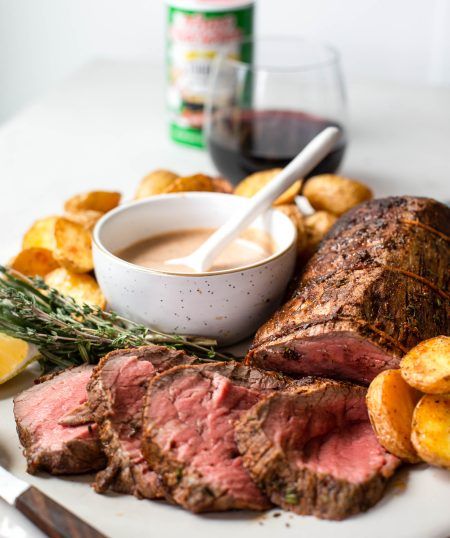
Get ready to impress with our French Beef Tenderloin recipe! This dish features incredibly tender beef, perfectly seared and then bathed in a rich, savory red wine sauce. It’s a true classic that tastes gourmet but is surprisingly simple to create at home. Each bite is a luxurious experience, full of deep, satisfying flavors.
You might think a dish this elegant takes hours, but you’d be wrong! Beef tenderloin cooks up quickly, and the sauce is made right in the same pan, capturing all those delicious flavors. It’s perfect for a special occasion or a fancy weeknight meal when you want something truly extraordinary without the fuss.
So, why wait? Treat yourself and your loved ones to this magnificent French Beef Tenderloin. Follow along with our easy steps, and you’ll have a restaurant-quality meal on your table in no time. Let’s get cooking!
Cooking Time & Prep Time
- Prep Time: 15 minutes
- Cooking Time: 20 minutes
- Total Time: 35 minutes
Small tip: Having all your ingredients prepped and measured before you start cooking (mise en place) will make this recipe even faster and more enjoyable.
Ingredients
This recipe makes 4 generous servings.
For the Beef Tenderloin:
- 1.5 lbs beef tenderloin roast (Chateaubriand cut or 4 individual 6-ounce fillets), trimmed
- 1 tablespoon olive oil
- 1 teaspoon sea salt
- ½ teaspoon black pepper, freshly ground
For the Red Wine Sauce:
- 1 tablespoon olive oil
- 1 small shallot, finely minced
- 2 cloves garlic, minced
- ¾ cup dry red wine (such as Cabernet Sauvignon or Merlot)
- 1 cup beef broth, low sodium
- 2 sprigs fresh thyme
- 1 tablespoon unsalted butter, cold and cut into small pieces
- 1 teaspoon Dijon mustard (optional, for depth)
- Salt and black pepper to taste
For Garnish (Optional):
- 2 tablespoons fresh parsley, chopped
Step-by-Step Instructions
-
Step 1: Prepare the Beef
Take the beef tenderloin out of the refrigerator about 20-30 minutes before cooking. This helps it cook more evenly. Pat the beef very dry with paper towels. Season generously all over with sea salt and freshly ground black pepper.
Small tip: A dry surface is key for a good sear. Don’t skip patting the beef dry!
-
Step 2: Sear the Beef
Heat 1 tablespoon of olive oil in a large, heavy-bottomed oven-safe skillet (like cast iron) over medium-high heat until shimmering. Carefully place the seasoned tenderloin in the hot skillet. Sear for 2-3 minutes per side until a deep brown crust forms all over. For a roast, sear all four sides and the ends.
Small tip: Do not overcrowd the pan. If cooking individual fillets, you might need to do this in batches.
-
Step 3: Finish Cooking the Beef
If you’re cooking a roast, transfer the skillet to a preheated oven at 400°F (200°C) and roast for 10-15 minutes, or until it reaches your desired doneness. For individual fillets, you can often finish them on the stovetop by reducing the heat to medium-low and cooking for another 5-7 minutes, flipping occasionally. Use a meat thermometer: 125°F (52°C) for rare, 130-135°F (54-57°C) for medium-rare, 135-140°F (57-60°C) for medium.
Small tip: Always use a meat thermometer for perfect doneness. Remember the temperature will rise a few degrees while resting.
-
Step 4: Rest the Beef
Once the beef reaches your desired temperature, remove it from the skillet and place it on a cutting board. Tent it loosely with foil and let it rest for at least 10 minutes. This allows the juices to redistribute, ensuring a tender and moist result.
Small tip: Resting is crucial! It makes a huge difference in the tenderness and juiciness of the meat.
-
Step 5: Make the Sauce Base
While the beef rests, return the skillet to medium heat (if not already there). Add 1 tablespoon of olive oil if the pan looks too dry. Add the minced shallot to the pan drippings and sauté for 1-2 minutes until softened and fragrant. Add the minced garlic and cook for another 30 seconds until aromatic, being careful not to burn it.
Small tip: Scrape up any browned bits from the bottom of the pan as you cook the shallots; these are packed with flavor.
-
Step 6: Deglaze with Red Wine
Pour the dry red wine into the skillet. Increase the heat to medium-high and bring it to a simmer. Use a wooden spoon to scrape up any remaining browned bits from the bottom of the pan. Let the wine reduce by about half, which should take 2-3 minutes.
Small tip: Choose a wine you would enjoy drinking. Its flavor will concentrate in the sauce.
-
Step 7: Simmer the Sauce
Add the beef broth and fresh thyme sprigs to the skillet. Bring the sauce back to a gentle simmer and let it reduce by about one-third, or until it coats the back of a spoon lightly. This usually takes about 5-7 minutes. Remove the thyme sprigs before finishing the sauce.
Small tip: Taste the sauce as it reduces. You might want to adjust seasonings later.
-
Step 8: Finish the Sauce
Remove the skillet from the heat. Stir in the cold butter pieces, one at a time, swirling the pan until they melt and are fully incorporated. This will make the sauce glossy and slightly thicken it. If using, stir in the Dijon mustard now. Season the sauce with salt and black pepper to taste.
Small tip: Adding cold butter off the heat helps emulsify the sauce, making it rich and smooth without breaking.
-
Step 9: Slice and Serve
Slice the rested beef tenderloin against the grain into thick medallions. Arrange the slices on plates and spoon the warm red wine sauce generously over the beef. Garnish with fresh chopped parsley, if desired, and serve immediately.
Small tip: Slicing against the grain ensures the tenderest bite.
Tips & Variations
- Gluten-Free Option: This recipe is naturally gluten-free! Just ensure your beef broth is certified gluten-free.
- Vegan or Vegetarian Option: For a plant-based alternative, try pan-seared portobello mushrooms or thick-cut cauliflower steaks. You can create a similar rich sauce using vegetable broth, mushrooms, and a splash of balsamic vinegar instead of red wine.
- Add More Vegetables or Protein: Serve alongside roasted asparagus, green beans, or a medley of roasted root vegetables. You can also add sautéed mushrooms to the red wine sauce for extra earthiness and fiber.
- Spicy Version: For a kick, add a pinch of red pepper flakes with the shallots or a dash of hot sauce to the finished red wine sauce.
- Herb Variations: Experiment with different fresh herbs. Rosemary or bay leaf can be used instead of or in addition to thyme for a different aromatic profile in the sauce.
Nutritional Information
Approximate values per serving (based on 4 servings):
- Calories: 560
- Protein: 48g
- Carbohydrates: 10g
- Fat: 38g
Please note: These values are approximate and may vary depending on specific ingredients used and portion sizes.
Health Benefits
Beef tenderloin is an excellent source of high-quality protein, which is essential for muscle growth and repair. It’s also packed with vital nutrients like iron, crucial for oxygen transport in the blood, and zinc, important for immune function and wound healing.
You’ll also find a good amount of B vitamins, particularly B12, in beef. Vitamin B12 is key for nerve function and red blood cell formation, helping to keep your energy levels up and your brain healthy.
The shallots and garlic in our sauce aren’t just for flavor; they offer health benefits too! They contain antioxidants and compounds like allicin (in garlic), which have anti-inflammatory properties and may support cardiovascular health.
Even the olive oil contributes healthy monounsaturated fats. These fats are known to be heart-healthy, helping to reduce bad cholesterol levels and providing a good source of energy.
Serving Suggestions
- Classic Pairing: Serve this elegant dish with creamy mashed potatoes or a light potato gratin to soak up every drop of that delicious sauce.
- Vegetable Sides: Roasted asparagus, steamed green beans almondine, or a simple mixed green salad with a vinaigrette make excellent companions.
- Hearty Meal: Enjoy it as the star of your dinner table. It’s too special to be a side dish!
- Meal Prep Ideas: While best enjoyed fresh, you can cook the beef and sauce separately. Reheat the sauce gently and sear fresh beef when ready to serve for optimal taste.
Storage Tips
Leftover French Beef Tenderloin and sauce can be stored separately in airtight containers in the refrigerator for up to 3 days. Freezing the cooked beef is not recommended as it can affect its texture, but the sauce can be frozen for up to 1 month. To reheat, gently warm the sauce on the stovetop over low heat. For the beef, slice it thin and gently warm it in a pan with a little of the sauce or broth to prevent it from drying out.
Conclusion
There you have it – a truly magnificent French Beef Tenderloin recipe that proves gourmet dining can be simple and quick to achieve at home. The tender, juicy beef paired with that rich, velvety red wine sauce is a combination that’s hard to beat. It’s elegant, flavorful, and incredibly satisfying, making any meal feel like a special occasion.
We absolutely encourage you to try making this dish. Don’t be intimidated by its fancy name; the steps are straightforward, and the reward is a culinary experience you won’t soon forget. You’ll be amazed at how easily you can create such a show-stopping meal.
So, gather your ingredients, put on your apron, and get ready to create some magic in your kitchen. Share this incredible French Beef Tenderloin with your family and friends, and watch their faces light up with every delicious bite. Bon appétit!


